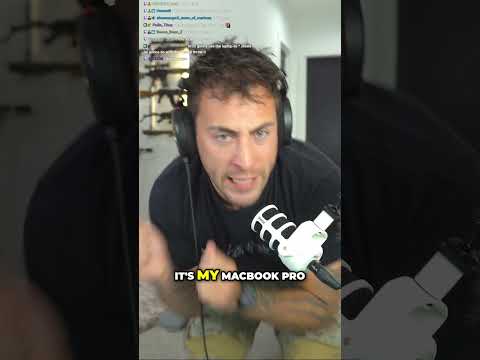
Sonny Puzikas Training Discussion

Published on December 9, 2025
Duration: 218:00

This discussion delves into the rationale behind firearms training drills that incorporate high-consequence scenarios, emphasizing the difference between mistakes and consequences. The instructors argue that these drills are crucial for developing a shooter's ability to manage stress, make sound decisions, and maintain control when the stakes are perceived as real, moving beyond sterile range environments. They highlight that such training aims to build a skill of calmness under pressure, not just replicate combat, and stresses the importance of strict safety protocols and qualified instruction.

Quick Summary

High-consequence firearms training drills are designed to improve a shooter's stress management and decision-making by introducing variables beyond sterile range conditions. Instructors differentiate between minor 'mistakes' and significant 'consequences,' emphasizing that calmness under pressure is a trainable skill, not an inherent trait, developed through realistic scenarios.

Chapters

  1. 00:00:00Introduction and Audio Check
  2. 00:02:13Welcome and Guest Introductions
  3. 00:05:08Happy Birthday Sunny & Training Class Discussion
  4. 00:06:00Instructor Backgrounds: Sunny Pikas, Josh, Lewis Carris
  5. 00:13:05Lightning Round: Breakfast & Dry Fire Importance
  6. 00:14:43Red Dots on Pistols: Pros and Cons
  7. 00:17:35The 'Donut of Death' Reticle Strategy
  8. 00:20:14Most Important Skill for New Shooters
  9. 00:23:03Analyzing Unorthodox Firearms Drills
  10. 00:24:40Cost-Benefit Analysis of Slow Drills
  11. 00:25:53Metrics in Practical vs. Competition Shooting
  12. 00:28:27Consequence vs. Mistake in Training
  13. 00:30:28Real-World Experience with Firearms
  14. 00:34:51Safety Comparison: Holstering vs. Downrange Drills
  15. 00:36:53Mitigating Safety in Training
  16. 00:40:53Risk Level in High-Consequence Drills
  17. 00:42:44John Farnum's Philosophy on Safety
  18. 00:45:04Student Responsibility and Attentiveness
  19. 00:47:16The AK Drill with Jostling
  20. 00:51:38Analogy: Skid Pad vs. AK Drill
  21. 00:52:12Specific Drills for Specific Questions
  22. 00:54:54Purpose and Frequency of Advanced Drills
  23. 00:56:02Average Student Profile
  24. 01:00:51Novice Shooters in Advanced Drills
  25. 01:02:00Shooter vs. Fighter: Hard Skills Importance
  26. 01:04:39The Role of Hard Skills in Dynamic Situations
  27. 01:08:48Police Training Deficiencies
  28. 01:11:47Training Beyond Sterile Ranges
  29. 01:14:09International Training Examples
  30. 01:17:39Competition vs. Real-World Application
  31. 01:22:00Disconnect on Training Methods
  32. 01:24:44Conclusion: Training Philosophy Differences

Frequently Asked Questions

What is the purpose of high-consequence firearms training drills?

High-consequence firearms training drills aim to improve a shooter's ability to manage stress, make sound decisions, and maintain control under pressure. They introduce variables beyond sterile range conditions to better prepare individuals for dynamic, real-world situations where mistakes have more severe outcomes.

How do instructors differentiate between mistakes and consequences in firearms training?

In training, a 'mistake' might be a minor error like a missed shot on paper. A 'consequence' refers to a more significant outcome, such as hitting a non-threat target or a person, highlighting the increased stakes and the need for greater shooter attentiveness and decision-making.

Is calmness under stress a natural trait or a trainable skill in firearms applications?

Instructors emphasize that calmness in high-stress firearms situations is a trainable skill, not an inherent trait. It is developed through consistent exposure to realistic variables and consequences in training, allowing shooters to learn to manage their physiological and psychological responses.

Why is training with simulated threats or realistic scenarios considered important?

Training with simulated threats or realistic scenarios is crucial because the human brain can distinguish between training tools and real danger. These methods help shooters experience and manage the psychological and physiological effects of stress, which cannot be fully replicated in sterile environments.

More Training & Techniques Videos You Might Like

More from FocusTripp

View all →