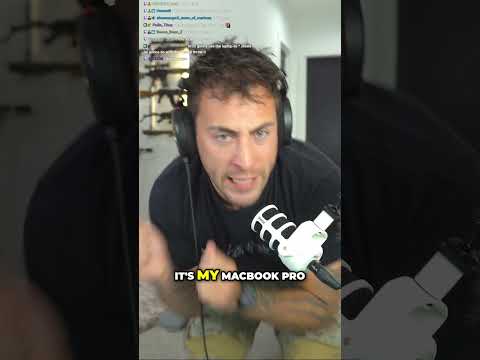
This video features Nikko Ortiz, a tactical lifestyle influencer, critically analyzing police training. He uses bodycam footage of an officer overreacting to a suspect with a laptop to highlight perceived deficiencies in police academy curricula. Ortiz argues for more high-stress, scenario-based training to improve officer composure and response in real-world situations.
This discussion delves into the rationale behind firearms training drills that incorporate high-consequence scenarios, emphasizing the difference between mistakes and consequences. The instructors argue that these drills are crucial for developing a shooter's ability to manage stress, make sound decisions, and maintain control when the stakes are perceived as real, moving beyond sterile range environments. They highlight that such training aims to build a skill of calmness under pressure, not just replicate combat, and stresses the importance of strict safety protocols and qualified instruction.
This video analyzes a use-of-force incident involving a Los Angeles County Sheriff's Deputy and a homeless individual. The instructor emphasizes the critical importance of maintaining distance, creating time, and employing proper tactical approaches to avoid officer-induced jeopardy. Key takeaways include the dangers of closing distance unnecessarily, the need for stress inoculation training beyond range practice, and the tactical disadvantages of engaging in a 'fatal funnel'. The analysis highlights how a lack of tactical awareness and distance management can escalate situations, potentially leading to deadly force encounters.
This video features Dave and Dutch, subject matter experts and combat veterans, debunking common misconceptions about gunfights. They analyze cinematic portrayals of combat, share first-hand experiences from Afghanistan and Iraq, and discuss the psychological aspects of high-stress situations. The importance of realistic training under duress is heavily emphasized.
This video features a debate between firearms instructors on the topic of carrying a firearm chambered versus unchambered. Emery Morgenstern, a former Special Forces operator, argues for carrying unchambered in many civilian situations, emphasizing the reduced risk of accidental discharge and the low probability of needing the firearm in a life-or-death scenario where the split-second difference of chambering a round is critical. The discussion also touches on gun rights, legal challenges, and the importance of stress inoculation training.
This video highlights the MILO training system's immersive approach to firearms skill development. It emphasizes creating realistic stress scenarios to build muscle memory, reaction time, and accuracy. The system uses physiological monitoring and detailed debriefing to help trainees understand and overcome stress-induced phenomena like auditory exclusion and tunnel vision, fostering instantaneous learning and self-improvement.
Chris Sajnog, a former Navy SEAL, emphasizes the critical role of non-live fire training tools like blue guns, laser trainers, and airsoft guns for developing fundamental firearm handling skills. He advocates for practicing drawing from concealment, situational walkthroughs, and malfunction drills in a safe environment to build muscle memory and reduce stress before engaging with live ammunition. This approach allows for consistent practice at home, saving money and time while building confidence and proficiency.
You've reached the end! 7 videos loaded.
Gun Laws by State
Read firearms regulations for all 50 states + D.C.
Find Gun Dealers
Search licensed FFL dealers near you.