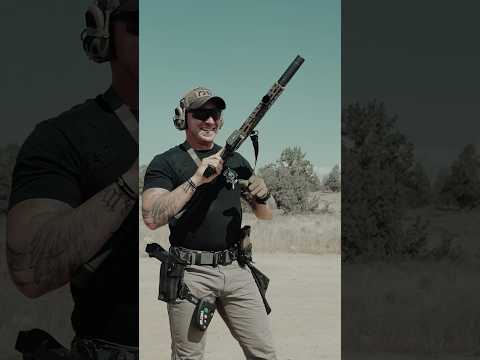
Stance: Things to Consider

Published on December 5, 2025
Duration: 2:49

This guide, based on instruction from Achilles Heel Tactical, details how to optimize your shooting stance for better stability, recoil management, and mobility. It emphasizes adapting your foot placement for different scenarios, such as shooting from cover, and maintaining an engaged posture for efficient target transitions. The instruction highlights the importance of a dynamic stance over a static one for overall shooting performance.

Quick Summary

Optimize your shooting stance by ensuring you are anchored, balanced, and mobile. Adapt foot placement for cover, maintain a forward chest and extended arms for recoil management, and use neutral foot positions to reduce core tension for faster target transitions.

Chapters

  1. 00:00Stance Fundamentals
  2. 00:33Shooting from Cover
  3. 01:02Mobility and Adaptability
  4. 01:26Recoil Management
  5. 02:10Optimizing Transitions

Frequently Asked Questions

What are the key principles of an effective shooting stance?

An effective shooting stance requires being anchored to the ground and balanced. Feet should be roughly shoulder-width apart, and the stance should be mobile and adaptable, allowing for efficient recoil management and quick transitions, rather than being static and upright.

How should stance be adjusted when shooting from cover?

When shooting from cover, traditional stances may need modification. Switching foot placement can allow the shooter to lean into the cover while maintaining essential support and stability, optimizing body positioning for the environment.

Why is a dynamic stance important for recoil management?

Being 'loaded' in a dynamic stance helps absorb and manage recoil effectively. Maintaining a slightly forward chest position and extended arms contributes to an engaged, aggressive posture that aids in recoil control.

How does foot position affect target transitions?

Foot position influences core tension during transitions. A neutral foot position can alleviate tension when moving the gun laterally, enabling faster, smoother transitions between targets and improving overall shooting efficiency.

More Training & Techniques Videos You Might Like

More from Achilles Heel Tactical

View all →