5 TIPS TO IMPROVE YOUR GRIP

Published on April 8, 2023
Duration: 9:53

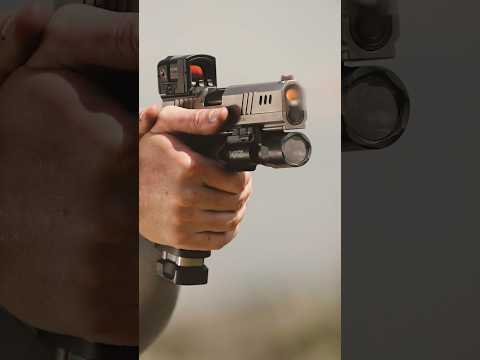
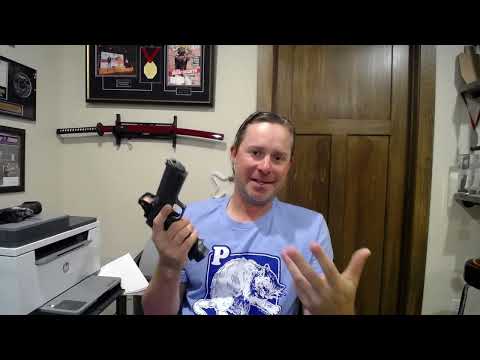
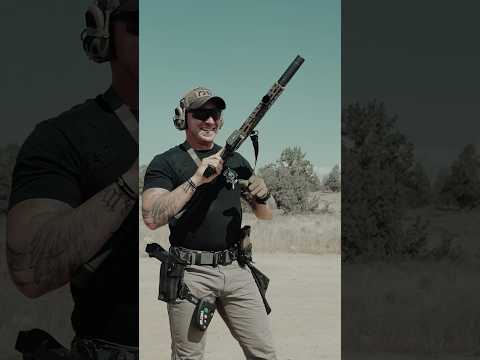
This video from Achilles Heel Tactical, presented by Rick, offers five actionable tips to enhance pistol grip for improved shooting performance. It emphasizes moving beyond subjective rules to focus on mechanical principles, leverage, and relaxation. The instruction is geared towards intermediate shooters looking to refine their fundamentals and achieve greater control and speed.


Quick Summary

Focus on mechanical principles and leverage points for a superior pistol grip, rather than subjective rules. Establish a 'master grip' immediately from the holster using high (thumb/tang) and low (pinky) leverage points to control firearm movement. Manage anticipation by using proper leverage, and maintain a relaxed posture for speed and smoother transitions.

Chapters

  1. 00:00Introduction to Grip Tips
  2. 00:14Tip 1: Quantifiable Grip Pressure
  3. 00:48Tip 2: Leverage and Friction
  4. 03:58Tip 3: Managing Anticipation
  5. 05:43Tip 4: Structured Presentation
  6. 08:16Tip 5: Relaxation for Speed

Frequently Asked Questions

What is the most important principle for improving pistol grip?

The most important principle is to focus on mechanical principles and leverage points, rather than subjective rules like the 60/40 pressure split. Establishing a 'master grip' immediately from the holster using high and low leverage points is key to controlling the gun's movement.

How can shooters manage anticipation during live fire?

Instead of trying to eliminate anticipation, which is natural, shooters should use proper grip leverage to mitigate its physical effects. This prevents the muzzle from dipping low and left, ensuring better shot placement.

Why is a relaxed shooting posture important?

A relaxed shooter is a faster shooter. Minimizing unnecessary upper body movement and avoiding tension in quickly fatiguing muscle groups allows for smoother transitions between targets and better overall control of the firearm.

What are the key leverage points for a pistol grip?

Key leverage points include high leverage points like the thumb and tang of the firearm, and low leverage points such as the pinky finger. Establishing this 'master grip' immediately from the holster is crucial for controlling the gun's movement.

More Training & Techniques Videos You Might Like

More from Achilles Heel Tactical

View all →