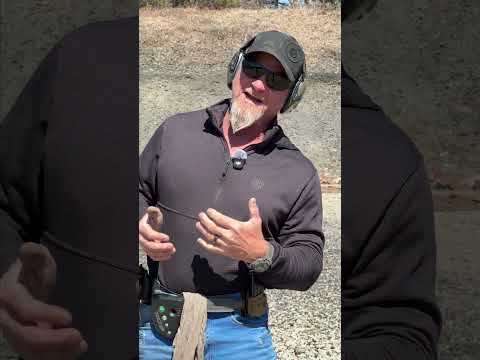
Still Confused About Zeroing Your Handgun? Watch This!

Published on January 22, 2026
Duration: 13:17

This guide details effective handgun zeroing techniques, emphasizing the practical application of red dot sights alongside traditional iron sights. Instructor Joel Park highlights the importance of using adequate group sizes (5-10 shots) and confirming zero at relevant distances, while also discussing sight reliability and the impact of ammunition choice. The advice is geared towards achieving practical accuracy for self-defense or competition.

Quick Summary

For reliable handgun zeroing, use 5 to 10-shot groups to account for the 'cone' of fire and minimize outlier impact. Confirm your zero at the intended engagement distance (e.g., 25 yards), as close-range deviations amplify. Zero with the specific ammunition you plan to carry or compete with, as bullet weight significantly affects point of impact.

Chapters

  1. 00:00Introduction: Handgun Zeroing Confusion
  2. 00:31Iron Sights vs. Red Dots: Pros and Cons
  3. 02:11Sight Reliability: Irons vs. Modern Red Dots
  4. 03:01Front Sight Removal and Red Dot Co-Witness
  5. 04:41Zeroing Techniques: Off-hand vs. Rest
  6. 06:56Group Size Matters: 5-10 Shots for Zeroing
  7. 09:24Importance of Zeroing Distance Confirmation
  8. 11:11Ammo Weight Impact on Point of Impact

Frequently Asked Questions

What is the recommended number of shots for zeroing a handgun?

For reliable handgun zeroing, it's recommended to use groups of 5 to 10 shots. This provides a statistically significant sample size, minimizing the impact of individual shot variations or shooter error and giving a clearer picture of the firearm's actual point of impact.

Should I remove my iron sights when using a red dot optic?

Removing front iron sights is a matter of preference. Many shooters find they don't notice the irons when focusing on the red dot reticle. However, keeping them can serve as a backup and may be useful for initial zeroing or co-witnessing.

Does bullet weight affect handgun zero?

Yes, different bullet weights (like 115gr, 124gr, or 147gr in 9mm) have varying ballistic properties and will impact the point of aim differently. It's crucial to zero your handgun using the specific ammunition you intend to carry or use for competition.

Is it better to zero a handgun off-hand or from a rest?

For practical application, zeroing off-hand (standing) is essential to simulate real-world shooting. However, using a stable rest (like a bench rest or tripod) can help confirm the mechanical accuracy of the firearm and optic at distance, ensuring precision is achievable.

Related News

All News →

More Training & Techniques Videos You Might Like

More from Joel Park

View all →