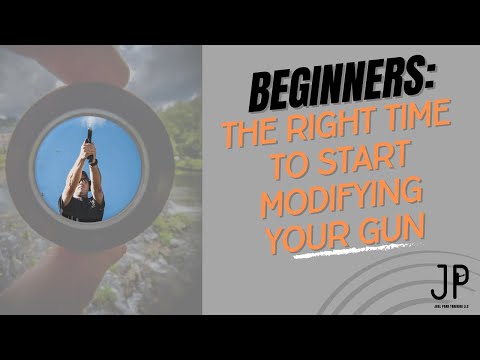
Still Confused About Zeroing Your Handgun? Watch This!

Published on January 22, 2026
Duration: 13:17

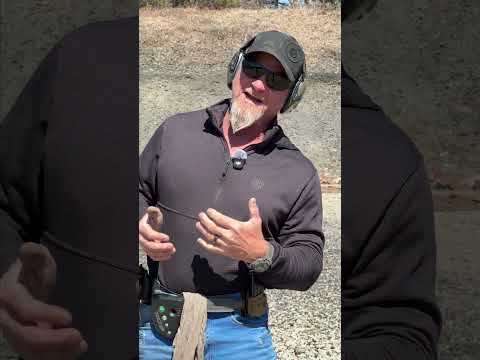
This guide details a practical approach to zeroing a handgun's red dot sight, drawing on insights from experienced instructor Joel Park. It emphasizes using consistent group sizes, confirming zero at appropriate distances, and understanding how ammunition affects point of impact. The technique also touches on the role of iron sights and practical presentation for effective use.

Quick Summary

Zeroing a handgun red dot sight involves firing 5-10 shot groups to establish statistical significance, confirming the zero at your intended distance (e.g., 25 yards), and understanding how ammunition weight affects point of impact. Iron sights can serve as a backup, but red dots offer superior precision for most shooters.

Chapters

  1. 00:00Introduction & Viewer Feedback
  2. 00:31Iron Sights vs. Red Dots
  3. 02:11Sight Reliability Discussion
  4. 03:01Front Sight Removal
  5. 04:41Zeroing Techniques: Off-hand vs. Rest
  6. 06:56Group Size & Statistical Significance
  7. 09:24Zeroing Distances
  8. 11:11Impact of Ammo Weight

Frequently Asked Questions

How do I properly zero a handgun red dot sight?

Start by ensuring your firearm is unloaded. Use 5-10 shot groups for accuracy, confirming your zero at the intended distance (e.g., 25 yards). Consider the impact of different ammunition weights and practice presenting to acquire the dot quickly.

Are iron sights still relevant with red dot optics?

Yes, iron sights can serve as a baseline for initial zeroing and as a reliable backup if the red dot fails. However, modern red dots generally offer superior precision for most shooters once properly sighted in.

What is the best group size for zeroing a handgun?

Using 5 to 10-shot groups is recommended over 2-shot groups. This accounts for the 'cone of fire' and minimizes the impact of human error or outlier shots, providing a more statistically significant zero.

Does ammunition weight affect handgun zeroing?

Absolutely. Different bullet weights (e.g., 115g, 124g, 147g) will have varying points of impact. It's crucial to zero your firearm with the specific ammunition load you intend to use for carry or competition.

Related News

All News →

More Training & Techniques Videos You Might Like

More from Joel Park

View all →