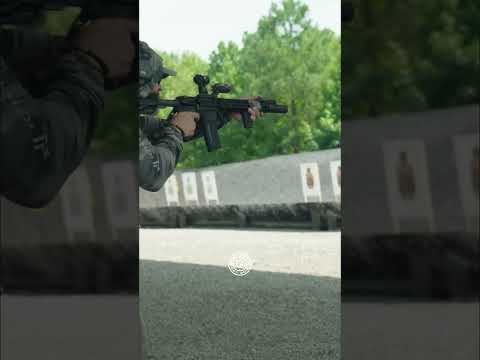
Suppressors are MANDATORY- HUXWRX vs DEVGRU

Published on July 28, 2024
Duration: 43:58

This video demonstrates various rifle and handgun drills focusing on accuracy, speed, and movement. Key takeaways include the importance of suppressors for reducing concussion and noise, proper shooting techniques to avoid overdriving the gun, and the necessity of consistent practice with live fire to build proficiency. The instructors emphasize knowing your equipment and understanding its limitations, especially concerning weight and balance.

Quick Summary

Suppressors are crucial for hearing protection and shooting comfort, significantly reducing muzzle blast and concussion. They also help tame recoil, allowing for faster, more accurate follow-up shots. Proper shooting technique, focusing on target acquisition and controlled trigger presses, is vital to avoid common errors like overdriving the gun.

Chapters

  1. 00:00Intro: Suppressors vs. Unsuppressed Rifles
  2. 01:23Why Suppressors Are Important
  3. 03:30First Suppressor & Entry-Level Recommendations
  4. 04:38Suppressor Sam's Rifle Build Breakdown
  5. 06:02Pressure Switch Reliability
  6. 06:49Mark 18 Pistol Build Overview
  7. 07:16Rifle Shooting Drill: Controlled Pairs
  8. 08:21Shoot and Scoot Drill Comparison
  9. 10:31Hot Wash: Missed Shots Analysis
  10. 11:31Confirm Zero & Shooting Technique Issues
  11. 12:15Drill: Transitions and Movement
  12. 13:43Switching Shooters & LPVO Experience
  13. 15:32Switching to Lighter Guns & Optics
  14. 17:20Comparing Rifle Builds & Recoil Management
  15. 18:13Titanium Suppressor Weight Comparison
  16. 18:52Know Your Gun: Practice & Ammo
  17. 19:20Practice vs. Perfect Practice
  18. 20:22Commitment to Training: Live Fire vs. Dry Fire
  19. 20:54How Many Rifles to Train With?
  20. 21:52Bruce Lee's Philosophy on Practice
  21. 22:19Investing in Suppressors
  22. 22:39NFA Wait Times & Registry Concerns
  23. 24:38Lighter Gun Drill: Transitions & Movement
  24. 25:55Switching Shooters & Drill Execution
  25. 26:40Stress and Simulation on the Firing Line
  26. 27:50Kneeling & Standing Shooting Techniques
  27. 30:07Failure Drill: Two Chest, One Head
  28. 31:10Secondary Weapon Transition Speed
  29. 32:09High Over Bore Aiming Correction
  30. 33:39Triple Pound Drill: Chest Shots
  31. 34:47Cadence and Ejection Pattern Analysis
  32. 35:33Allowing the Gun to Recoil Naturally
  33. 36:20Handgun Builds: Staccato C2 & Glock 320
  34. 37:14Handgun Carry: Fantasy vs. Reality
  35. 39:49Choosing Your Carry Firearm
  36. 40:09Shadow Systems MR920 Elite as a Carry Gun
  37. 41:13Magazine Cross-Compatibility Considerations
  38. 42:00Summary: Get a Gun, Shoot It, Get Good
  39. 42:53HUXWRX Flow 5.56K Suppressor Demo
  40. 43:06Outro

Frequently Asked Questions

Why are suppressors considered essential for modern firearms?

Suppressors are vital for preserving hearing by significantly reducing muzzle blast and concussion. They also improve shooting comfort, especially in confined spaces, and can enhance weapon control by taming recoil impulse, making follow-up shots faster and more accurate.

What are common shooting mistakes to avoid during drills?

Common mistakes include 'overdriving' the gun (pulling it past the target), focusing solely on the aiming dot instead of the target, and shooting too soon before the dot settles. These errors lead to misses and can be corrected with proper target focus and controlled trigger press.

How does firearm weight and balance affect shooting performance?

Front-heavy firearms, often due to suppressors or heavy barrels, require more effort to manage recoil and transitions between targets. Proper technique involves allowing the gun to cycle naturally and not fighting its weight, which can lead to fatigue and accuracy issues.

What is the importance of live fire practice versus dry fire?

While dry fire is excellent for building muscle memory and reps, live fire is crucial for understanding recoil dynamics, developing proper shooting cadence, and avoiding bad habits. A balance, like one-third live fire to two-thirds dry fire, is recommended, but live fire is indispensable for true proficiency.

What makes a good concealed carry firearm?

A good concealed carry firearm balances shootability, capacity, and concealability. While smaller guns are easier to hide, larger, more shootable firearms like the Staccato C2 offer better control and accuracy, making them more practical for defensive use if they can be managed.

Related News

All News →

More Training & Techniques Videos You Might Like

More from Trench Grenade

View all →