Texas School Attack; Physical and Mental Training; Benefits of Dry Firing: Gun Talk Radio| 5.20.18 B

Published on May 21, 2018
Duration: 44:23

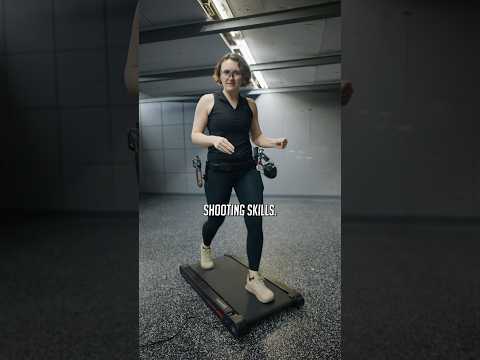
This video emphasizes the critical role of consistent practice, particularly dry firing, for maintaining and improving firearm proficiency. John Roberts, a trainer with Boondocks Training Academy, highlights that skills diminish without practice and advocates for daily dry-fire sessions as a free and effective method. The discussion also covers scenario-based training, mental rehearsal, and the importance of personal responsibility in self-defense, contrasting it with the government's role in making citizens feel safe versus actually being safe.

Quick Summary

Consistent firearm practice, particularly daily dry-firing for at least 10 minutes, is crucial for maintaining proficiency and readiness. Experts emphasize that skills diminish without practice, and this free method, when done safely in an ammo-free zone, helps with trigger control, sight alignment, and reloads. Scenario-based training and mental rehearsal are also vital for self-defense preparedness.

Chapters

  1. 00:00Introduction & Laser Sights
  2. 00:24Gun Talk Radio Intro
  3. 01:24Texas School Attack Discussion
  4. 02:47Boondocks Training Academy Visit
  5. 03:16Guest John Roberts Intro
  6. 04:30School Shooting Statistics Analysis
  7. 06:51The Importance of Dry Fire Practice
  8. 07:14Can Average Citizens Train for Mass Murder Situations?
  9. 08:38Training Standards for Professionals vs. Civilians
  10. 09:43Developing a Personal Training Plan
  11. 11:17Conservation Message
  12. 11:50Brownells Retro Rifles
  13. 12:19SureFire Products
  14. 12:59Training Plan Discussion Continues
  15. 13:11Skills Diminish Without Practice
  16. 13:42Mental Practice & Dry Firing Benefits
  17. 14:11Choosing the Right Firearm and Caliber
  18. 14:45Seeking Professional Training
  19. 15:27Scenario Visualization at Home
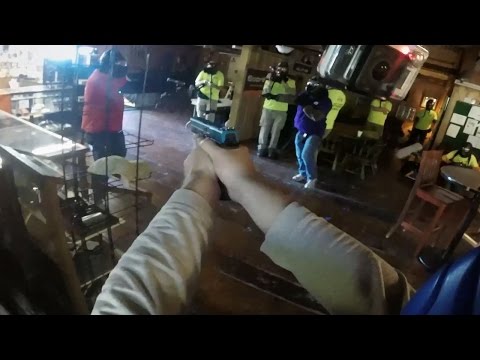
  20. 16:05Scenario-Based Training with Simunitions
  21. 17:34Focus on Personal & Family Safety
  22. 18:14Team Sport of Clearing Rooms
  23. 19:04Teacher's Role in School Security
  24. 19:34Safe Room Strategy
  25. 20:11You Are Your Own First Responder
  26. 20:26John Roberts Thanks & Boondocks Plug
  27. 21:05Idaho Passions YouTube Channel
  28. 21:13Why We Hunt Discussion
  29. 21:42Recap of John Roberts' Points
  30. 22:05Are You Ready to Take on the Challenge?
  31. 22:14Minimum Practice: 10 Minutes Daily Dry-Fire
  32. 22:43Support Local Businesses
  33. 23:05Blink Security Cameras
  34. 24:13Caller Joe: Government's Role in Safety
  35. 26:39Police Minutes Away vs. Seconds Count
  36. 26:52Caller David: Dry Firing Concerns
  37. 27:36Debunking Dry Firing Myths
  38. 28:39Dry Fire Safety Protocols
  39. 30:30How to Practice Dry Firing Effectively
  40. 31:56Timney Triggers
  41. 32:29Concealed Carry Training DVDs
  42. 33:03Sig Sauer Firearms
  43. 33:35Wetlands Conservation Message
  44. 34:05Inceptor ARX Ammunition
  45. 34:45FBI Active Shooter Study Results
  46. 36:08Caller Bruce: School Security Ideas
  47. 39:45Dry Firing Shotguns vs. Handguns
  48. 40:19QuickBooks vs. Gun Sight Academy Story
  49. 41:25Caller Frank: Adjustable Gas Vents
  50. 43:50QuickBooks Story & Training Discussion
  51. 45:00End of Program

Frequently Asked Questions

What is the most effective way for an average person to maintain firearm proficiency?

Consistent practice is key. Experts recommend dedicating at least 10 minutes daily to dry-firing, focusing on trigger control, sight alignment, and reloads. This practice, combined with mental rehearsal and scenario-based training, helps maintain skills and readiness for self-defense situations.

Is dry-firing safe for firearms, and are there any risks involved?

Dry-firing is generally safe for modern centerfire handguns and is a critical practice tool. The main risk is accidental discharge if safety protocols aren't followed. Always ensure a dedicated, ammo-free space for dry-firing and practice extreme caution to prevent live ammunition from entering the area.

What is the difference between feeling safe and being safe, according to security experts?

Security experts distinguish between feeling safe and being safe. The government's role is often to foster a sense of security, but true safety relies on individual preparedness, training, and the ability to act in a crisis. Relying solely on external entities for safety is not a viable strategy.

How can individuals prepare for active shooter situations?

Preparation involves consistent training, including dry-firing and scenario-based exercises, to build muscle memory and a proactive mindset. Mentally rehearsing 'what-if' scenarios in various environments can also enhance readiness. The focus should be on personal and immediate family safety.

Related News

All News →

More Training & Techniques Videos You Might Like

More from Gun Talk Media

View all →