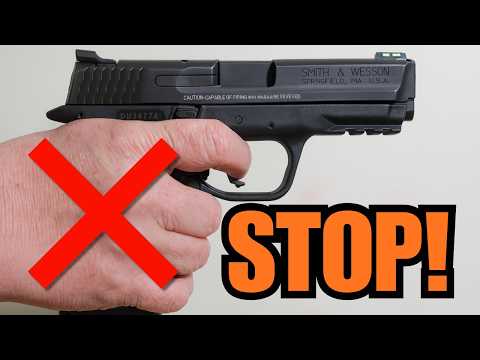
The 2 Types of Gun Owners Most Likely to Shoot Themselves

Published on October 8, 2025
Duration: 32:53

This guide addresses the risks of negligent discharges among experienced firearm owners, highlighting complacency as a primary factor. It emphasizes establishing robust safety systems, distinguishing between defense and recreational firearms, and maintaining rigorous safety checks. The advice includes a personal rule against dry firing at home to build a mental separation from range practices, reinforcing the four rules of gun safety to mitigate potential mistakes.

Quick Summary

The two gun owner groups most prone to negligent discharges are beginners, due to ignorance of safety rules, and experts, due to complacency and autopilot handling. Establishing consistent safety checks and a 'no trigger pull' rule at home are crucial preventative measures.

Chapters

  1. 00:00Introduction: Types of Gun Owners & ND Risk
  2. 01:40Friend's Near Miss: A Cautionary Tale
  3. 04:34The Two Riskiest Groups for Negligent Discharge
  4. 06:04Beginner Gun Owners: Ignorance Risk
  5. 09:36Middle Ground: Hyper-Cautious Safety
  6. 11:53The Danger of Complacency for Experts
  7. 13:50Expert Complacency: Autopilot and Benign Effect
  8. 17:37Personal Safety System: Defense vs. Fiddle Guns
  9. 20:47Unloaded Guns for Fiddling & Practice
  10. 23:00Consistent Safety Check Routine
  11. 24:04No Trigger Pulls at Home Rule
  12. 25:51Negligent Discharges at the Range (CZ Shadow 2 Example)
  13. 28:51Recap: The Four Rules of Gun Safety
  14. 31:54Reinforcing Safety Systems
  15. 32:16Conclusion & Podcast Future

Frequently Asked Questions

Which two types of gun owners are most likely to have a negligent discharge?

According to Colion Noir, the two types of gun owners most likely to have a negligent discharge are beginners, who lack knowledge of safety rules, and experts, who can become complacent due to over-familiarity with firearms.

Why are experienced gun owners at risk of negligent discharges?

Experienced gun owners can become complacent, leading to autopilot handling of firearms. This means they might bypass essential safety checks, such as confirming the chamber is clear, because they feel overly confident or accustomed to the process.

What is a recommended safety practice for handling firearms at home?

A key recommendation is to establish a personal rule against pulling the trigger (dry firing) inside your home. This helps create a mental association of your residence as a safe zone where trigger engagement does not occur, distinguishing it from range practice.

How should one handle firearms designated for self-defense?

For self-defense firearms, it's advised to avoid unnecessary handling. Keep them in their designated, ready-to-deploy location and only interact with them for essential maintenance or planned range testing to prevent accidental discharges due to complacency.

More Training & Techniques Videos You Might Like

More from Colion Noir

View all →