The Universal Firearm Safety Rules

Published on September 13, 2017
Duration: 10:57

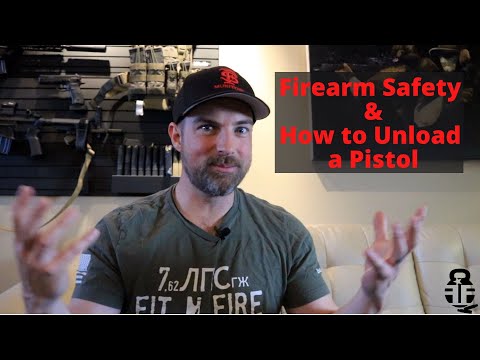
This guide synthesizes the four universal firearm safety rules as presented by John Lovell of Warrior Poet Society. It covers treating all firearms as loaded, keeping a finger off the trigger until ready to shoot, maintaining muzzle discipline, and knowing your target and beyond. The guide includes a detailed clearing procedure and emphasizes safe handling techniques for both new and experienced shooters.

Quick Summary

The four universal firearm safety rules are: 1. Treat all firearms as if they are loaded. 2. Keep your finger off the trigger until your sights are aligned and you've decided to shoot. 3. Never point a gun at anything you don't intend to destroy. 4. Know your target and what is beyond it. Proper clearing involves dropping the magazine, racking the slide twice, locking it, and inspecting the chamber and magazine well.

Chapters

  1. 00:18Introduction to Safety Rules
  2. 01:32Rule 1: Treat All Guns as Loaded
  3. 02:41Clearing Procedure Demonstration
  4. 05:25Rule 2: Finger Off the Trigger
  5. 06:13Rule 3: Muzzle Discipline
  6. 06:41Common Safety Violations
  7. 09:23Rule 4: Know Your Target and Beyond

Frequently Asked Questions

What are the four universal firearm safety rules?

The four universal firearm safety rules are: 1. Treat all firearms as if they are loaded. 2. Keep your finger off the trigger until your sights are aligned and you've decided to shoot. 3. Never point a gun at anything you don't intend to destroy. 4. Know your target and what is beyond it.

How do you properly clear a firearm?

To properly clear a firearm, first drop the magazine, then rack the slide twice, lock the slide to the rear, and finally conduct a visual and physical inspection of the chamber and magazine well to ensure it is completely empty.

Why is it important to keep your finger off the trigger?

Keeping your finger off the trigger until you are ready to fire prevents accidental discharges. This practice, known as 'indexing,' is crucial during movement, stress, or when handling the firearm for any reason other than immediate engagement.

What does 'know your target and beyond' mean?

This rule means you must be aware of your intended target, as well as everything that lies in front of it, to the sides, and especially what is behind it. You are responsible for every bullet fired until it stops moving.

More Training & Techniques Videos You Might Like

More from Warrior Poet Society

View all →