Tips & Tactics | S2 E7: "Kim Heath: AR-15 Bolt Cycling"

Published on July 25, 2013
Duration: 1:27

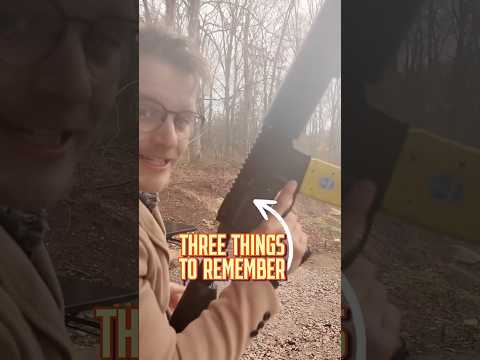
This video demonstrates an improved technique for cycling the bolt on an AR-15, focusing on the 'counter supenation grip.' Instructor Kim Heath advises releasing the pistol grip hand and pulling the charging handle back while keeping the stock against the shoulder. This method aims to prevent 'short stroking,' a common issue where new shooters don't pull the charging handle far enough, ensuring reliable bolt operation for clearing malfunctions, loading, or unloading.

Quick Summary

To properly cycle an AR-15 bolt and avoid 'short stroking,' use the 'counter supenation grip.' Release your pistol grip hand, keep the stock against your shoulder, and pull the charging handle fully to the rear. This ensures the bolt cycles completely, essential for loading, unloading, and clearing malfunctions.

Chapters

  1. 00:04Introduction to AR-15 Bolt Cycling
  2. 00:09Traditional Bolt Cycling Method
  3. 00:24The Problem: Short Stroking
  4. 00:45Recommended Technique: Counter Supination Grip
  5. 00:51Step-by-Step Counter Supination
  6. 01:01Benefits for New Shooters
  7. 01:18Conclusion: Back in the Game

Frequently Asked Questions

What is 'short stroking' an AR-15 bolt?

Short stroking an AR-15 bolt means failing to pull the charging handle all the way to the rear. This prevents the bolt from cycling completely, which can lead to malfunctions when loading, unloading, or clearing a stoppage.

What is the recommended technique for cycling an AR-15 bolt?

The recommended technique is the 'counter supenation grip.' This involves releasing your pistol grip hand, keeping the stock against your shoulder, and pulling the charging handle fully back. This provides better leverage and ensures complete bolt travel.

Why is it important to cycle the AR-15 bolt completely?

Cycling the AR-15 bolt completely to the rear and allowing it to return forward is crucial for proper function. It ensures the bolt carrier group moves through its full cycle, which is necessary for chambering a round, extracting a spent casing, and clearing malfunctions.

Related News

All News →

More Training & Techniques Videos You Might Like

More from NRA

View all →