Tips & Tactics | S3 E1: "Anette Wachter: Live Firing"

Published on May 15, 2014
Duration: 1:40

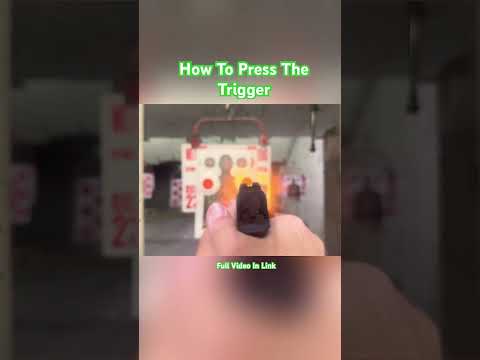
This video details two fundamental techniques for precision shooting on stationary targets: controlled breathing and trigger loading. Instructor Anette Wachter emphasizes taking a deep breath, exhaling, and applying slight, consistent pressure to the trigger at the end of the exhale. She advises against holding breath for too long to maintain visual clarity. The technique aims to align the sight picture with the bullseye while the finger is prepared to execute the shot.

Quick Summary

For precision shooting on stationary targets, focus on controlled breathing and 'loading the trigger'. Take a deep breath, exhale, and apply slight, consistent pressure to the trigger at the end of your exhale. Avoid holding your breath for more than 3-5 seconds to prevent vision blur and maintain accuracy.

Chapters

  1. 00:08Introduction to Precision Shooting
  2. 00:15Key Techniques: Breathing & Trigger Loading
  3. 00:25Breathing Technique for Shooting
  4. 00:37Breath Hold Duration Warning
  5. 00:48Loading the Trigger Explained
  6. 01:08Executing the Shot

Frequently Asked Questions

What are the two fundamental techniques for precision shooting on stationary targets?

The two fundamental techniques for precision shooting on stationary targets are controlled breathing and 'loading the trigger'. Controlled breathing involves taking a deep breath and exhaling to a stable point, while loading the trigger means applying slight, consistent pressure to the trigger just before the shot.

When is the optimal time to take a shot during the breathing cycle for precision shooting?

The optimal time to take a shot in precision shooting is at the end of your exhalation. This is when your body is most stable, and you should have slight pressure already applied to the trigger.

What is the risk of holding your breath too long when shooting?

Holding your breath for too long, generally more than 3 to 5 seconds after exhaling, can cause your vision to blur. This visual impairment is detrimental to maintaining a clear sight picture and achieving accuracy in precision shooting.

More Training & Techniques Videos You Might Like

More from NRA

View all →