This video provides a comprehensive study hall on rifle marksmanship, covering fundamental weapon systems, safety protocols, ammunition characteristics, and ballistics. It details the eight cycles of function for the M4A1, weapon safety statuses, and the four rules of weapon safety. The content delves into the M855 Alpha 1 ammunition, explaining its components and effectiveness compared to M855, and discusses internal, external, and terminal ballistics. The instructor also covers aiming devices, optic adjustments, firing positions, and engagement actions, referencing military doctrine.
This guide explains how to simulate shooting on the move in confined spaces like indoor shooting ranges. It details techniques such as creating an intentional wobble zone, shooting from a single leg, and practicing lateral movement to build skills for dynamic shooting scenarios.
This two-day 'No-Fail Rifle' class, led by Chuck Pressberg of Press Check Consulting, focuses on self-discovery and understanding a rifle's capabilities in relation to the shooter. Key elements include detailed zeroing procedures, collecting ballistic data at various ranges, and understanding the 'wobble zone' for accurate shooting. The course emphasizes accountability through paper targets and introduces advanced techniques like shooting from unconventional positions and engaging targets from barricades, culminating in high-stress drills.
This guide details fundamental long-range shooting techniques taught by Jim Harmer, focusing on a Ruger American Gen II rifle. Key areas covered include proper shooting position, trigger control, managing scope shadow for consistent eye relief, breathing techniques, and accepting natural wobble for accurate shots at distance. The instruction emphasizes practical application with tools like the Garmin Xero C1 Pro and Hornady 4DOF app for ballistics.
This video explains the concept of 'wobble zone' in shooting, defined as the movement of the reticle when a firearm is shouldered. Instructor Jimmy B. Rodriguez details how to measure wobble zone using reticle markings and diagnose its causes, primarily related to the shooter's inputs and natural point of aim. He emphasizes balancing speed, durability, and stability in shooting positions, offering practical dry-fire exercises to improve stability and overall marksmanship.
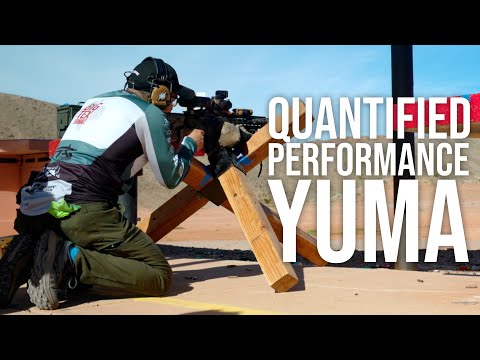
This video recaps the Quantified Performance Yuma Match, highlighting the shooter's first-place finish in the General Purpose division and sixth overall. The speaker emphasizes a process-focused approach to improvement, detailing key areas for development including mental errors, positional shooting, recoil management, and ammunition consistency. The content provides actionable insights for intermediate shooters looking to enhance their competitive performance.
This guide details dry fire techniques for scoped carbine training, emphasizing stable position building and trigger control. Instructor Jimmy B. Rodriguez explains how to assess and minimize the 'wobble zone' by focusing on skeletal support and observing reticle movement during trigger breaks. The video introduces 'Build and Break' drills and timed exercises using a shot timer to improve efficiency in transitioning between various shooting positions, such as standing and kneeling, using a ladder as a versatile training aid.
This video covers various firearms-related topics, including the importance of extreme spread in ammunition selection, the effects and maintenance of suppressed shooting, essential gear for scope carbine classes, and the benefits of dry fire for improving shooting skills. The instructor emphasizes focusing on the shot at hand as a life lesson and advocates for aggressive movement and positional work in training.
This video breaks down the critical role of rifle slings in developing stability for unsupported shooting positions like squatting, kneeling, and sitting. Instructors Jay and Larry emphasize proper sling setup and tension, along with techniques like offset aiming and managing the 'wobble zone' to improve accuracy when not shooting from the prone. The instruction is applicable to all rifle shooters, not just those focused on scoped carbines.
This video is Part 2 of a coaching session with Adrian from Sidewinder Concepts, where the creator's positional work and speed drop method are critiqued. Topics covered include natural point of aim, trigger press, wobble zones, active vs. passive follow-through, measuring for correction, the '150 Rule,' and building positions on different barricades. The video also features various recommended gear and mentions several sponsors.
This video provides expert instruction on utilizing tripods for precision rifle shooting, moving beyond the prone position. The instructor emphasizes establishing a stable shooting platform by focusing on natural point of aim, proper body positioning, and efficient tripod setup. Key techniques discussed include managing the 'wobble zone' through body and pressure adjustments, understanding the benefits of different tripod leg configurations, and integrating tripod use with barricades. The instruction highlights the importance of maintaining fundamental shooting principles regardless of the shooting position.
This video details two fundamental techniques for precision shooting on stationary targets: controlled breathing and trigger loading. Instructor Anette Wachter emphasizes taking a deep breath, exhaling, and applying slight, consistent pressure to the trigger at the end of the exhale. She advises against holding breath for too long to maintain visual clarity. The technique aims to align the sight picture with the bullseye while the finger is prepared to execute the shot.
You've reached the end! 12 videos loaded.
Gun Laws by State
Read firearms regulations for all 50 states + D.C.
Find Gun Dealers
Search licensed FFL dealers near you.