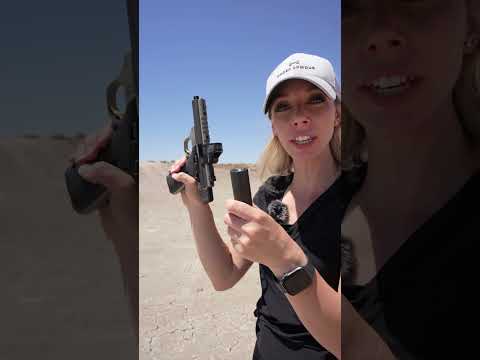
Why he can't keep shots on the page, and the simple change that fixed it.

Published on June 14, 2024
Duration: 48:15

This video details how to improve long-range accuracy by focusing on fundamental shooting techniques. Key takeaways include proper rifle positioning, consistent trigger control through dry fire drills, and managing scope eye relief. It also covers breathing techniques for stability and using ballistic data for precise long-range shots, showcasing the Ruger American Gen II as a capable budget rifle.

Quick Summary

Improve long-range rifle accuracy by mastering fundamental techniques: maintain straight body alignment, practice consistent trigger control via dry fire, and ensure proper scope eye relief for a clear sight picture. Shoot during your natural respiratory pause and accept a slight wobble zone.

Chapters

  1. 00:00Introduction & Gear Selection
  2. 02:38Positioning & Stability
  3. 05:30Trigger Control & Dry Fire
  4. 14:23Troubleshooting Scope View
  5. 18:52Breathing & Wobble Management
  6. 24:24Ruger American Gen II Review
  7. 27:35Ballistics & Long Range Execution

Frequently Asked Questions

What are key shooting techniques for improving long-range accuracy?

Focus on consistent body positioning, straight trigger pulls using dry fire practice, and proper scope eye relief. Learn to shoot during your natural respiratory pause and accept a slight wobble zone for mechanical accuracy.

How can I fix issues with my scope view and keep shots on paper?

Ensure correct eye relief by adjusting your head position for a clear, shadow-free sight picture. Consistent cheek weld and shoulder alignment are crucial for maintaining this clarity shot after shot.

What is the importance of dry fire practice in marksmanship?

Dry fire practice is essential for developing trigger control without anticipating recoil. Drills like the flinch test help identify and correct trigger jerking, leading to more consistent shot placement.

How does breathing affect long-range shooting accuracy?

Shooting during the natural respiratory pause, the brief moment between exhaling and inhaling, provides the most stable platform. Trying to hold your breath completely can cause tension and increase wobble.

Related News

All News →

More Training & Techniques Videos You Might Like

More from Backfire

View all →