Tracking Component

Published on April 21, 2026
Duration: 7:00

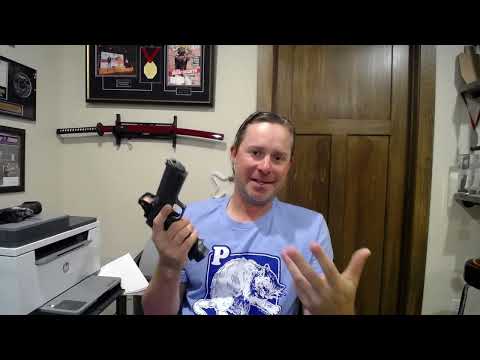
This drill, demonstrated by Ben Stoeger, focuses on improving target acquisition and shooting while moving by using vision barriers (barrels) to obscure targets. The core principle is to visually hunt for targets and react to their appearance, rather than fixating on the sight. Maintaining consistent shooting mechanics and avoiding over-confirmation of the sight picture are key to success.


Quick Summary

The Tracking Component drill, demonstrated by Ben Stoeger, uses vision barriers to enhance target acquisition while moving. The key is to visually hunt for targets and react to the sight's color, rather than fixating on a perfectly still sight picture. Consistent mechanics are vital for smooth transitions.

Chapters

  1. 00:00Introduction to Vision Barriers and Walking
  2. 00:18Impact of Walking on Shooting
  3. 00:41Drill Setup: Vision Obstruction
  4. 01:09Drill Sequence: Shoot, Look, Shoot
  5. 01:27Sight Confirmation While Moving
  6. 01:54Understanding Sight Fixation Issues
  7. 02:16Bad Example: Over-Fixation on Sight
  8. 02:43Correct Technique: Eyes Off Sight
  9. 02:56Why People Fixate on Sights
  10. 03:18Importance of Consistency (Posture, Pressure)
  11. 03:48Another Common Mistake: Over-Confirmation
  12. 04:44Mistake: Pushing the Gun Too Fast
  13. 05:01Correct Technique: Focus on Looking
  14. 05:11Engaging Closely Spaced Targets
  15. 06:04Demonstration of Training Pace
  16. 06:21Drill Recap and Objectives
  17. 06:50Practice Both Sides

Frequently Asked Questions

What is the main goal of the Tracking Component drill?

The Tracking Component drill aims to improve your ability to acquire and engage targets while moving. It uses vision barriers to simulate real-world scenarios where targets might be partially obscured, forcing you to visually hunt for them and transition smoothly.

What is the correct sight confirmation technique during this drill?

The correct sight confirmation is recognizing the color of your sight in the middle of the target. You should not fixate on the sight; instead, allow your eyes to move to the next target while maintaining a consistent shooting platform.

What are common mistakes to avoid in the Tracking Component drill?

Common mistakes include fixating on the sight, which increases perceived movement, and mechanically pushing the gun to the next target instead of visually acquiring it. Also, avoid over-confirming the sight picture, which can slow down your transitions.

How does consistency play a role in this shooting drill?

Consistency in posture, pressure, hand position, and index is crucial. These elements ensure your sight picture remains stable enough to acquire targets without constantly fighting to find the sight, especially when moving.

More Training & Techniques Videos You Might Like

More from Ben Stoeger

View all →