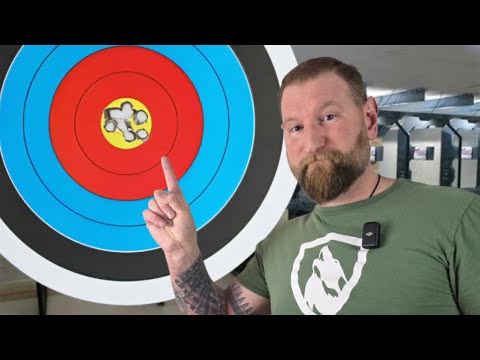
Training in isolation or task layering?

Published on May 23, 2025
Duration: 1:13

This video emphasizes the importance of both isolated skill training and complex, task-layered scenarios for firearms proficiency. Focusing on specific elements like dry-fire trigger control in isolation allows for detailed refinement without distractions. Conversely, training under pressure, such as in a competition, simulates real-world chaos and task layering, which is crucial for developing resilience and adaptability.

Quick Summary

Firearms training should incorporate both isolated skill development and complex, task-layered scenarios. Isolated training, like dry-fire trigger control, allows for focused refinement of specific mechanics without distractions. Task layering, often seen in competition, simulates real-world pressure and multiple stimuli, crucial for developing adaptability and performance under stress.

Chapters

  1. 00:00Introduction: Isolation vs. Task Layering
  2. 00:14Benefits of Isolated Training
  3. 00:24Dry Fire for Trigger Control
  4. 00:39Task Layering in Competition
  5. 00:57Importance of Both Training Methods

Frequently Asked Questions

What is the benefit of training firearms skills in isolation?

Training in isolation allows a shooter to focus intensely on a single skill, such as trigger manipulation, without the distractions of live fire, other movements, or external pressures. This focused approach helps in refining the mechanics of that specific skill to a higher degree.

Why is task layering important in firearms training?

Task layering involves training in scenarios where multiple actions and stimuli occur simultaneously, mimicking real-world complexity and pressure. This type of training is crucial for developing the ability to maintain accuracy and make effective decisions when faced with chaos and competition.

Can dry fire alone improve shooting skills?

Dry fire is an excellent method for isolating and improving fundamental skills like trigger control. While it doesn't replicate the full experience of live fire, consistent dry-fire practice can significantly enhance a shooter's ability to manipulate the trigger smoothly and accurately.

Should firearms training focus only on isolated skills or complex scenarios?

Both isolated skill training and complex, task-layered scenarios are essential for well-rounded firearms proficiency. Isolated training refines individual mechanics, while complex scenarios build resilience and the ability to perform under pressure, making a balanced approach optimal.

Related News

All News →

More Training & Techniques Videos You Might Like

More from Tenicor

View all →