Tricking your stick with Nate and Trav 3 of 6 The Foregrip

Published on September 28, 2016
Duration: 5:45

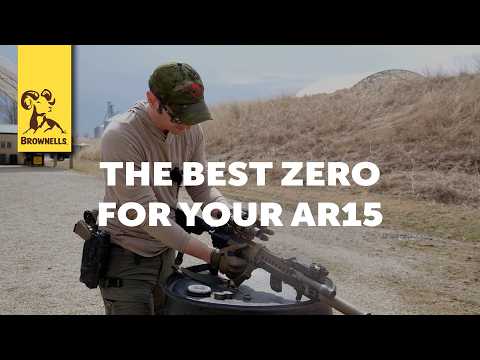
This guide, led by Nate LeCompte of Haley Strategic Partners, details how to optimize foregrip placement on AR-15 carbines for improved ergonomics and control. It covers the evolution of foregrips from the 'broomstick' to modern designs and provides a practical technique for finding the most biomechanically efficient grip position. The instruction emphasizes minimizing body tension for better stability and recoil management.

Quick Summary

Optimize your AR-15 foregrip placement by using the 'eyes-closed' method: let your support hand drop naturally to the rail and return to that consistent point. This technique, taught by Nate LeCompte of Haley Strategic Partners, helps find the most biomechanically efficient position, minimizing body tension for better stability and recoil control.

Chapters

  1. 00:00Introduction to Foregrips
  2. 00:13History of the Vertical Foregrip
  3. 00:51Evolution to Stubby Grips
  4. 01:29Determining Optimal Grip Placement
  5. 03:32Considerations for Shorter Rails
  6. 04:46Biomechanics and Reducing Tension

Frequently Asked Questions

How do I find the best foregrip position on my AR-15?

To find the optimal foregrip position, close your eyes, let your support hand drop naturally to the rail, and then bring it back up to that consistent point. Repeat this process to establish a reliable reference for biomechanical efficiency and stability.

What is the difference between a full-size and stubby vertical foregrip?

Full-size vertical foregrips, often called 'broomsticks,' were early designs. Stubby vertical grips and hand stops evolved from these, offering less bulk and allowing shooters to 'creep up' for better control and stability, which is often more biomechanically efficient.

Why is minimizing body tension important when placing foregrips?

Minimizing body tension is crucial for shooting stability. Placing accessories too far forward can force you to 'blade' your body or create high shoulder tension, negatively impacting your ability to control recoil and maintain an accurate sight picture.

What are common mistakes in AR-15 foregrip placement?

A common mistake is placing accessories too far forward on long rails, leading to body 'blading' or excessive shoulder tension. Another is not adapting grip techniques beyond the original 'broomstick' style, missing out on improved stability offered by modern designs.

Related News

All News →

More Training & Techniques Videos You Might Like

More from Haley Strategic Partners

View all →