TTI Grand Master ๐Ÿ† Training Day ๐Ÿ’ฅ Proper Grip & Stance โšก๏ธ

Published on February 26, 2021
Duration: 5:30

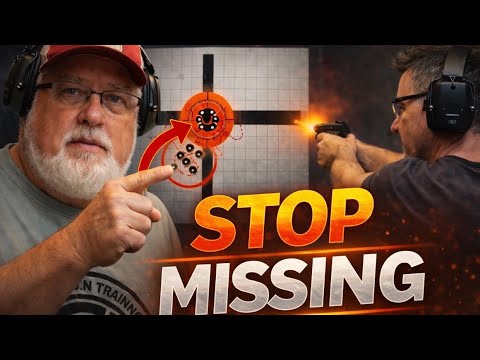
This TTI Grand Master training video focuses on advanced grip and stance techniques for recoil management. Key insights include the 'Pull Test' for stance stability, using forearm rotation for wrist stiffness, and applying tricep pressure to control muzzle rise. Proper shoulder positioning is emphasized to create a 'muscular return' for faster sight acquisition.

Quick Summary

To control muzzle rise, apply consistent forward pressure through your triceps, preventing your arms from becoming 'limp noodles' during rapid fire. This ensures minimal gun travel and faster sight recovery for improved accuracy.

Chapters

  1. 00:00The Pull Test for Stance Stability
  2. 00:33Pulse and Reaction Tests for Recoil Simulation
  3. 01:09Wrist Tension and Forearm Rotation Techniques
  4. 02:58Elbow and Tricep Pressure for Muzzle Control
  5. 03:45Optimal Shoulder Positioning for Sight Recovery
  6. 05:02Live Fire Demonstration by Grand Master

Frequently Asked Questions

How can I improve my stance stability for better recoil control?

Practice the 'Pull Test': have an instructor apply rearward pressure on your gun. Your center of gravity should be forward enough to resist being pushed back or springing forward excessively, ensuring stability during recoil.

What is the best way to control muzzle rise during rapid fire?

Apply consistent forward pressure through your triceps. This prevents your arms from becoming 'limp noodles' and keeps the gun's travel minimal, ensuring the sights return quickly to the target.

How does shoulder positioning affect shooting accuracy?

Instead of rolling shoulders forward, hold them down firmly, like driving a fence post. This creates a 'muscular return' effect, automatically snapping the sights back to their original alignment after each shot.

What role does wrist tension play in shooting flat?

Use the bottom of your forearm to apply rotational force forward, creating stiffness in both wrists. This technique helps keep the gun shooting flatter without needing to over-grip with your hands.

Related News

All News โ†’

More Training & Techniques Videos You Might Like

More from Taran Tactical

View all โ†’