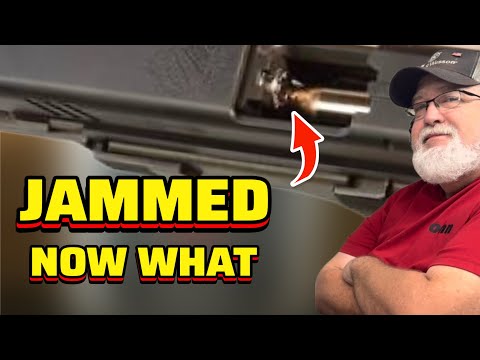
What Is ‘Limp Wristing’ A Pistol?

Published on September 14, 2022
Duration: 3:23

This video explains 'limp wristing' in semi-automatic pistols, a common cause of malfunctions like failures to feed or eject. It emphasizes that a firm, consistent grip is crucial for the firearm to cycle properly and manage recoil. The instructor highlights that improper grip, often due to trying to fight recoil too passively, can lead to the firearm jamming, even if the firearm itself is reliable.


Quick Summary

Limp wristing is a shooting technique where the shooter's wrist is not held firmly, allowing the firearm to move excessively during recoil. This unstable platform can prevent semi-automatic pistols from cycling properly, leading to malfunctions like failures to feed or eject. Proper grip and recoil management are crucial for reliable firearm operation.

Chapters

  1. 00:00Introduction to Limp Wristing
  2. 00:03Common Malfunctions and Blaming the Firearm
  3. 00:25How Limp Wristing Affects Cycling
  4. 00:38Demonstrating a Weak Grip
  5. 00:45Examples of Bad Grips
  6. 00:55Recoil Management Challenges
  7. 01:03Trigger Guard Grip Issue
  8. 01:14The Effect of Limp Wristing on Ejection
  9. 01:29Failure to Feed and Stovepipes
  10. 01:49Blaming the Firearm vs. Grip Issues
  11. 02:07Riding the Slide Stop Lever
  12. 02:27Conclusion: Focus on Grip and Recoil

Frequently Asked Questions

What is 'limp wristing' in firearms?

Limp wristing refers to a shooting technique where the shooter's wrist is not held firmly, allowing the firearm to move excessively during recoil. This unstable platform can prevent semi-automatic pistols from cycling properly, leading to malfunctions like failures to feed or eject.

How does limp wristing cause pistol malfunctions?

When a pistol is limp-wristed, the slide may not travel fully rearward, hindering the ejection of spent casings and the chambering of new rounds. This lack of proper cycling is a primary cause of common malfunctions such as stovepipes and failures to feed.

What are common mistakes that lead to limp wristing?

Common mistakes include having a weak grip, not actively fighting recoil, and sometimes even gripping the trigger guard. These issues often stem from a lack of proper training in recoil management and a failure to maintain a consistent, firm hold on the firearm.

Can a reliable firearm malfunction due to limp wristing?

Yes, absolutely. Even a perfectly reliable firearm can be induced to malfunction if the shooter is limp-wristing. The firearm relies on a stable platform and the energy from recoil to cycle, which is compromised by an improper grip.

More Training & Techniques Videos You Might Like

More from SPN Firearms

View all →