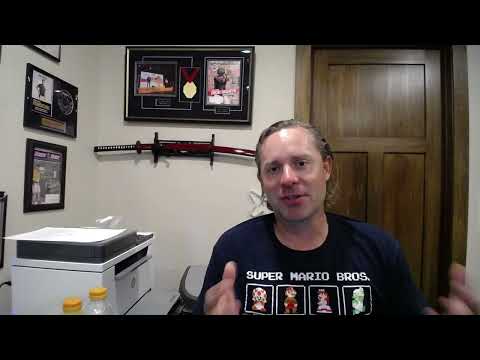
What is the PSTG experience?

Published on November 29, 2025
Duration: 9:01

This entry details key techniques from the Practical Shooting Training Group (PSTG) experience, as explained by instructors Ben Stoeger, Joel Park, and Hwansik Kim. It covers foundational one-handed shooting drills to improve control, advanced methods for blending tasks and optimizing transitions to reduce stage times, and the critical concept of adjusting vision and confirmation levels based on target risk for enhanced shooting discipline in competitive and tactical contexts.

Quick Summary

PSTG instructors teach advanced shooting techniques including starting with one-handed drills to enhance firing hand sensitivity, which improves two-handed control. They also emphasize 'blending tasks' for smoother transitions and faster stage times, and developing shooting discipline by adjusting vision and confirmation levels based on target risk.

Chapters

  1. 00:00Introduction to PSTG Instructors
  2. 00:38The Training Group Experience Event
  3. 01:56One-Handed Shooting Fundamentals
  4. 03:38Blending Tasks and Transitions
  5. 04:43Shooting Discipline and Confirmation Levels

Frequently Asked Questions

What is the PSTG Training Group Experience?

The PSTG Training Group Experience is an event hosted by instructors Ben Stoeger, Joel Park, and Hwansik Kim, featuring a new curriculum and drills designed to enhance practical shooting skills. It aims to improve shooter performance through advanced techniques.

How does one-handed shooting improve two-handed shooting?

Starting with one-handed shooting drills, as taught by PSTG, increases a shooter's sensitivity to their firing hand's inputs. This heightened awareness makes the subsequent use of two hands feel more controlled and precise, leading to better overall accuracy and stability.

What does 'blending tasks' mean in practical shooting?

'Blending tasks' refers to the technique of smoothly integrating different actions within a shooting stage, such as moving between positions or engaging targets. The goal is to minimize transition time and create a fluid sequence of movements for faster stage completion.

How can shooters improve discipline and target confirmation?

Shooters can improve discipline by focusing on conscious vision control and adjusting their 'confirmation levels'—the amount of certainty needed before firing. This adjustment should be based on the perceived risk associated with each target, a crucial skill for both competition and tactical applications.

More Training & Techniques Videos You Might Like

More from Ben Stoeger

View all →