What rifle zero is best for you? Dont make it hard for no reason.

Published on October 3, 2018
Duration: 20:41

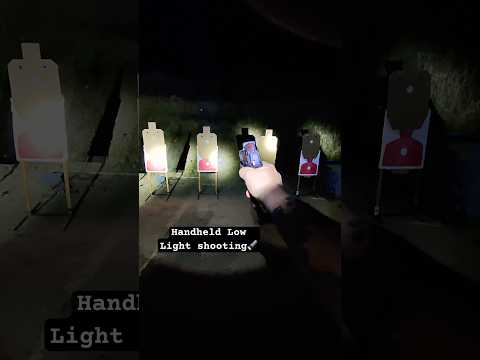
This guide details how to understand the practical impact of different rifle zero distances at close engagement ranges, crucial for home defense and tactical scenarios. It emphasizes pacing your longest indoor sight line and then testing various common zero distances (36, 50/200, 100, 200 yards) by firing controlled groups at close distances (3-25 yards) without holdover adjustments. The goal is to observe and understand how each zero affects point of impact at near distances, highlighting that most common zeros will shoot low at very close ranges.

Quick Summary

Understanding rifle zero impact at close range is crucial for effective use, especially in home defense. Most common zeros will shoot low at distances under 25 yards. A 20-yard zero can be ideal for indoor engagements, minimizing holdover adjustments. Always know your holds for your specific rifle and zero setup.

Chapters

  1. 00:00Intro & Merch
  2. 00:56Zeroing Discussion Intro
  3. 01:57Understanding Close Range Impact
  4. 03:0036 Yard Zero Test
  5. 05:0650/200 Yard Zero Test
  6. 06:57100 Yard Zero Test
  7. 08:40Analysis & Discussion
  8. 10:22Zero Preference & Conclusion

Frequently Asked Questions

What is the best rifle zero for home defense?

For home defense, understanding close-range ballistics is key. While longer zeros are common, they tend to shoot low at very close distances (under 25 yards). A zero around 20 yards can be advantageous as it minimizes holdover adjustments and prevents shooting excessively high indoors. Ultimately, know your holds for your specific zero and rifle setup.

How does a 36-yard rifle zero perform at close range?

A 36-yard zero, confirmed at 300 yards, will show a consistent upward climb as you move closer to the target. This means at distances significantly less than 36 yards, your rounds will impact higher than your point of aim if you don't adjust your hold. It's crucial to understand this trajectory for close engagements.

Why is understanding close-range ballistics important for rifle zeroing?

Understanding close-range ballistics is vital because most rifle engagements, especially for civilian use like home defense, occur at very short distances. A zero optimized for long range can result in shots hitting significantly high or low at close range if not accounted for, impacting accuracy and effectiveness.

What are the common rifle zero distances discussed for tactical use?

Common rifle zero distances discussed include 36 yards (often confirmed at 300), 50/200 yards, 100 yards, and 200 yards. Each has different ballistic characteristics at various ranges, and the best choice depends on the intended use and engagement distances.

Related News

All News →

More Training & Techniques Videos You Might Like

More from Regular Guy Training LLC

View all →