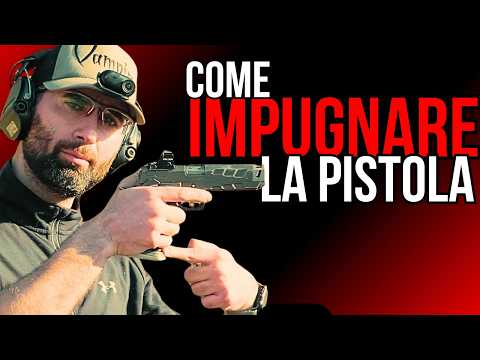
When the wave grip is properly applied, the pistol doesn’t move.

Published on March 29, 2022
Duration: 0:41

Instruction from Scott Jedlinski of Modern Samurai Project details the 'wave grip' technique, designed to enhance pistol control, particularly for shooters with smaller hands. This method focuses on creating a stable platform by driving the pistol into the support hand and utilizing the trigger guard for leverage. Proper application ensures the firearm remains stable even under external force, reducing unwanted movement during firing.

Quick Summary

The 'wave grip' technique, taught by Scott Jedlinski of Modern Samurai Project, enhances pistol control by creating a stable platform. It involves driving the pistol into the support hand and using the trigger guard for leverage, minimizing firearm movement and benefiting shooters with smaller hands.

Chapters

  1. 00:00Introduction to the Wave Grip
  2. 00:05Identifying Grip Gaps
  3. 00:15Technical Application of the Grip
  4. 00:25Stability Demonstration

Frequently Asked Questions

What is the 'wave grip' technique for pistols?

The wave grip is a technique focused on enhancing pistol control, especially for shooters with smaller hands. It involves driving the pistol into the support hand and utilizing the trigger guard for leverage, creating a stable platform that minimizes firearm movement during firing.

How does the wave grip improve pistol stability?

By positioning the support hand's thumb high and driving the pistol forward into it, while also pushing into the trigger guard, the wave grip creates a solid, locked-in feel. This stability resists external forces and recoil, preventing the pistol from shifting.

Who benefits most from the wave grip technique?

The wave grip is particularly beneficial for shooters with smaller hands who may struggle to achieve a full and secure grip on larger pistol frames. It helps them maximize control and leverage, leading to better overall shooting performance.

What are the key contact points for the wave grip?

Key contact points include driving the strong hand's index finger up into the trigger guard, aiming for the '1 o'clock position' relative to the bore. Additionally, the support hand's thumb is positioned high on the frame, with the strong hand's thumb resting on top.

More Training & Techniques Videos You Might Like

More from Modern Samurai Project

View all →