Why Good Guys Get Killed

Published on May 22, 2025
Duration: 37:24

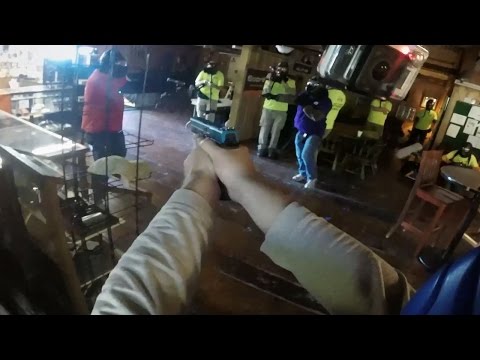
This episode of Gun Talk Nation delves into the critical aspects of force-on-force training, emphasizing the role of the 'bad guy' in creating realistic self-defense scenarios. Experts discuss how understanding the aggressor's mindset and planning is crucial for effective training. The importance of mindset, threat assessment, and decisive action for the 'good guy' is highlighted, drawing lessons from numerous simulated encounters to improve real-world preparedness.

Quick Summary

In force-on-force training, the 'bad guy' is the match director, dictating the scenario's timing and nature. Understanding their mindset and planning is crucial. The principle 'the body won't go where the mind hasn't been' emphasizes mental rehearsal through scenario observation. Recognizing tells like a telegraphed draw and being prepared for multiple attackers are key takeaways for improving self-defense readiness.

Chapters

  1. 00:00Introduction: Naked Intruder Scenario
  2. 01:13Guest Introduction: Kevin Jarnan (KJ)
  3. 02:04First Person Defender Season 14
  4. 03:19The Value of Scenario Training
  5. 04:30Mindset: The Body Follows the Mind
  6. 05:06Lessons from the Bad Guy's Perspective
  7. 05:36The Bad Guy as Match Director
  8. 06:25Bad Guy's Advantage: Planning and Observation
  9. 07:11Drawing Out the Good Guy
  10. 08:09Bad Guy's Strategic Considerations
  11. 08:34Telegraphing the Draw
  12. 09:07Recognizing Concealed Carry Signs
  13. 09:44Reading the Good Guy's Intent
  14. 10:36The 'Bad Gene' Activation
  15. 11:16Personal Scenario: Known Bad Guy
  16. 12:05Observing Fear and Rage
  17. 12:15Intent and Readiness
  18. 13:09Commercial Break: Tesos Pistols
  19. 13:51First Person Defender New Season & Channel
  20. 14:29Commercial Break: Loophold Optics
  21. 15:14Commercial Break: Colt 1911s
  22. 15:48Willingness to Shoot vs. Desire to Avoid
  23. 16:30Dictating Action in Scenarios
  24. 16:52Scenario: Exiting and Re-engaging
  25. 17:50Scenario: Home Invasion and Confrontation
  26. 19:06Scenario: Parking Garage Ambush
  27. 20:25Good Guys Don't Die: The Importance of Fighting
  28. 20:43Scenario: Bad Guy Becomes Good Guy
  29. 21:09Scenario: Lucky Headshot
  30. 22:08The 'Pain Penalty' in Training
  31. 23:20Scenario: Naked Intruder
  32. 24:20Commercial Break: Ruger RXM Pistol
  33. 25:09Commercial Break: Range Ready Studios
  34. 25:57Commercial Break: Winchester Optics
  35. 26:27Commercial Break: Brownells Discount
  36. 26:55Scenario: Naked Intruder Follow-up
  37. 27:27Dealing with Unexpected Scenarios
  38. 28:09Regretting Life Choices: Pepper Spray vs. Gun
  39. 29:20Firearm as a Last Resort
  40. 29:34Bad Guy's Approach: Unaccountable Fire
  41. 29:43Coaching 'Bad Guys': Realistic Tactics
  42. 30:11Scenario: Office Shooting - Grandmaster Bad Guy
  43. 31:26Advice from the Bad Guy's Perspective
  44. 31:39Training Recommendations: Range & Martial Arts
  45. 32:24What Stops a Bad Guy?
  46. 32:35Calmness as a De-escalator/Alert
  47. 33:12Reading the Bad Guy Under Pressure
  48. 33:55Multiple Bad Guys Scenario
  49. 34:37Looking for Opportunities
  50. 35:41The Bad Guy Chooses the Time
  51. 35:51Scenario: Home Invasion with Laser Sight
  52. 36:26Scenario: Gunfight with Helmet Hit
  53. 36:58Conclusion: Check Out First Person Defender

Frequently Asked Questions

What is the primary role of the 'bad guy' in force-on-force self-defense training?

In force-on-force training, the 'bad guy' acts as the aggressor and the 'match director' of the scenario. Their role is to create realistic threats, dictate the timing and nature of the engagement, and test the 'good guy's' reactions and decision-making under pressure, ultimately driving the learning experience.

How does mental preparation contribute to effective self-defense?

The principle 'the body won't go where the mind hasn't been' highlights the importance of mental preparation. By observing and analyzing self-defense scenarios, individuals can mentally rehearse responses, which helps their physical reactions become more instinctive and effective when faced with a real threat.

What are common mistakes 'good guys' make in self-defense scenarios?

Common mistakes include giving up after being hit, failing to follow up shots if the initial ones are ineffective, and not considering alternative target areas beyond the chest. Additionally, civilians may not anticipate multiple attackers or the need for continuous engagement until the threat is neutralized.

Why is it important for 'bad guys' in training not to wear excessive padding?

Excessive padding in force-on-force training can mask the impact of hits, creating a false sense of security and diminishing the 'pain penalty.' This hinders realistic reactions and can lead to participants not fully appreciating the consequences of their actions or inactions.

More Training & Techniques Videos You Might Like

More from Gun Talk Media

View all →