Why Gun Belts Matter; Always Use a Holster; Shooting With Your Weak Hand: Gun Talk Radio|9.10.17 A

Published on September 11, 2017
Duration: 44:23

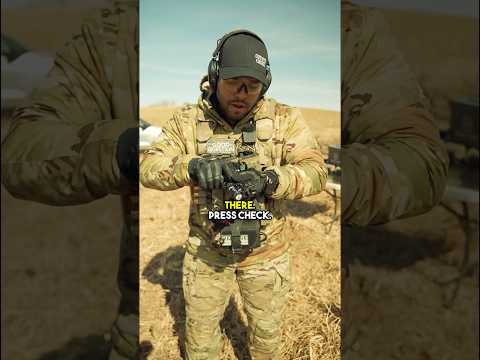
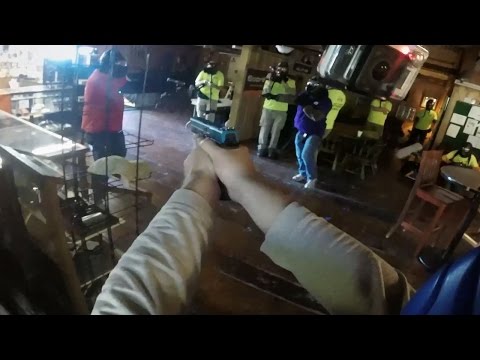
This video emphasizes the critical importance of training for weak-hand or support-hand shooting, especially in self-defense scenarios where a dominant hand might be injured or incapacitated. It highlights that a significant portion of defensive encounters can necessitate using the non-dominant hand for drawing, firing, and reloading. The importance of a proper gun belt and holster system is also stressed as foundational to a secure and effective carry setup, preventing accidental discharges and ensuring firearm retention.

Quick Summary

Practicing weak-hand shooting is vital for self-defense as your dominant hand may become incapacitated. A proper gun belt and holster system are foundational for secure concealed carry, preventing accidental discharges and ensuring firearm retention. Always let a falling firearm drop rather than trying to catch it to avoid accidental discharge.

Chapters

  1. 05:01The Importance of Gun Belts
  2. 11:13Weak Hand Shooting Scenario
  3. 13:10Weak Hand Draw and Manipulation
  4. 20:00Holster and Belt Issues
  5. 22:43Dummy of the Week: Accidental Discharge
  6. 26:29One-Handed Shooting Training
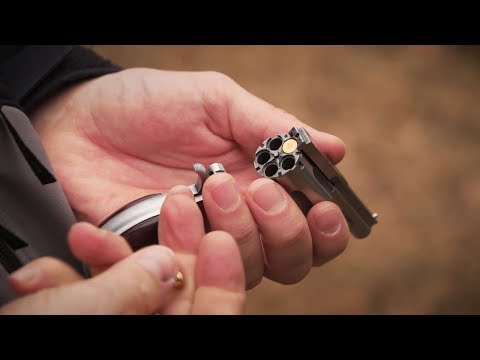
  7. 39:45327 Federal Magnum Range Report

Frequently Asked Questions

Why is practicing weak-hand shooting important for self-defense?

Practicing weak-hand shooting is vital because in a self-defense encounter, your dominant hand could be injured or incapacitated. Being proficient with your support hand ensures you can still draw, fire, and manipulate your firearm effectively if your primary hand is compromised.

What role does a gun belt play in concealed carry?

A proper gun belt provides a rigid and stable platform for your holster and accessories, preventing them from shifting or sagging. This is crucial for firearm retention, comfort, and preventing accidental discharges, making it a foundational element of a secure concealed carry system.

What is the safest way to handle a falling firearm?

If your firearm begins to fall, the safest action is to let it drop rather than attempting to catch it. Trying to catch a falling gun significantly increases the risk of your finger getting on the trigger and causing an accidental discharge.

How much training should be dedicated to weak-hand shooting?

For effective self-defense, it's recommended to dedicate a substantial portion of your training to weak-hand shooting. Some experts suggest that at least one-third of your practice time should involve shooting, drawing, and manipulating your firearm with your non-dominant hand.

More Training & Techniques Videos You Might Like

More from Gun Talk Media

View all →