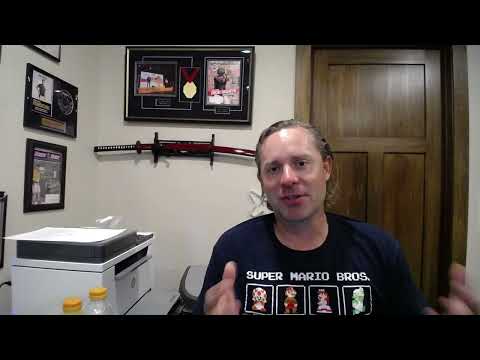
Why Setting Up Stages Isn’t a Good Use of Your Time

Published on September 4, 2025
Duration: 10:16

Joel Park explains why setting up USPSA-style stages in classes is often an inefficient use of time. He advocates for focused drills that build specific skills rather than broad stage simulations. While acknowledging 'scrambler' drills can offer a snapshot of performance, he emphasizes isolating components for effective skill development.


Quick Summary

Firearms instructor Joel Park argues against using USPSA stages in classes due to student disinterest in competition, significant time inefficiencies, and their limited effectiveness in building core shooting skills. He advocates for focused drills that isolate and improve specific aspects of marksmanship.

Chapters

  1. 00:00Introduction: Listener Question on Stages
  2. 00:55Reason 1: Student Interest Beyond USPSA
  3. 02:09Reason 2: Time Management and Efficiency
  4. 03:01Inefficiency of One Shooter at a Time
  5. 03:52Reason 3: Not the Best Way to Build Skill
  6. 04:01Scrambler Drills as a Tool
  7. 05:33Stages Don't Build Skill Effectively
  8. 06:00Isolating Skills for Training
  9. 07:04Stages vs. Focused Skill Development
  10. 07:50PSTG Audience and Stage Setup
  11. 09:02Recommendation: Avoid Setting Up Stages
  12. 09:13Scrambler Drills: A Limited Use Case
  13. 09:50Conclusion: Why Stages Aren't Used

Frequently Asked Questions

Why do firearms instructors avoid setting up USPSA stages in classes?

Instructors like Joel Park avoid USPSA stages because many students aren't interested in competitive shooting and prefer practical accuracy. Stages are also time-consuming, with one person shooting while many others wait, hindering efficient skill development for the entire group.

What are the main reasons for not using USPSA stages in firearms training?

The primary reasons are that students often prioritize practical speed and accuracy over competition, stages are inefficient time-wise for large classes, and they are not the most effective method for building fundamental shooting skills in isolation.

Are scrambler drills useful in firearms training?

Yes, simpler scrambler drills can be useful occasionally, especially for beginners, to provide a taste of dynamic shooting. They can also serve as a quick assessment tool to observe where skills break down under pressure, but should not replace focused skill-building.

How should firearms training time be best utilized according to Joel Park?

Training time is best utilized by focusing on isolating and drilling specific shooting components, such as grip, target acquisition, or movement, rather than engaging in broad stage simulations that can be inefficient and less effective for skill progression.

More Training & Techniques Videos You Might Like

More from Joel Park

View all →