Your Concealed Carry Will Fail Here (The 1% Rule)

Published on July 4, 2026
Duration: 8:45

This guide details five critical failure points that can compromise a concealed carry firearm under extreme stress, often overlooked during range practice. It emphasizes the importance of practicing draw strokes in realistic scenarios, managing grip pressure to avoid accidental magazine releases, ensuring belt and holster integrity, maintaining proper firearm lubrication, and rotating ammunition to prevent dangerous bullet setback. Implementing these techniques can significantly increase the reliability of a firearm when it's needed most.

Quick Summary

Five critical concealed carry failure points include the 'seat belt snag,' where clothing and belts impede draws; the 'death grip drop,' caused by accidental magazine release under stress; 'belt bind,' from holster shifting on a soft belt; 'sludge click,' from over-lubricated striker channels; and 'ammo time bomb' (bullet setback) from repeated chambering. Expert fixes involve specific practice, gear choices, and maintenance routines.

Chapters

  1. 00:00Introduction: The 1% Rule
  2. 00:34Failure Point 5: The Seat Belt Snag
  3. 01:37Failure Point 4: The Death Grip Drop
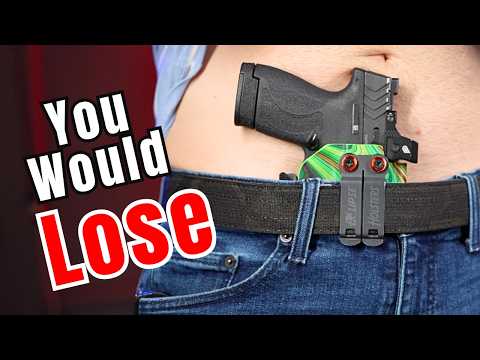
  4. 02:33Failure Point 3: The Belt Bind
  5. 03:18Failure Point 2: The Sludge Click
  6. 03:57Failure Point 1: The Ammo Time Bomb
  7. 04:52Conclusion: Fixing the 1% Failures

Frequently Asked Questions

What is the 'seat belt snag' in concealed carry?

The 'seat belt snag' is a concealed carry failure where the seat belt and bunched clothing prevent a smooth draw from a holster, especially when entering or exiting a vehicle. This can cause the firearm to get stuck or snag on the holster or sights.

How can a 'death grip' cause a concealed carry firearm to fail?

Under extreme stress, a 'death grip' can cause your thumb to inadvertently press an extended magazine release button. This can cause the magazine to drop, turning your firearm into a single-shot weapon at a critical moment.

What causes a 'belt bind' with a concealed carry firearm?

A 'belt bind' occurs when a soft gun belt shifts during a draw, altering the holster's angle and causing the firearm to jam. Using a reinforced, stiff gun belt is essential to prevent this.

Why should the striker channel of a firearm be kept dry?

Over-lubricating the striker channel can lead to 'sludge click' malfunctions. Lint and oil combine into a thick sludge that impedes the striker, causing weak primer strikes and failures to fire.

What is 'bullet setback' and how does it affect carry ammunition?

'Bullet setback' happens when a bullet is pushed deeper into the casing from repeated chambering. This reduces case volume, leading to dangerously high pressures when fired, potentially causing firearm damage or malfunction.

Related News

All News →

More Training & Techniques Videos You Might Like

More from Guns You Can't Live Without

View all →