This video by former CIA officer Jason Hanson demonstrates four methods for surreptitiously drawing a concealed firearm. Techniques covered include using shoulder holsters, pocket carry (emphasizing proper holsters and pants), ankle carry (best suited for drivers), and off-body carry in bags or purses. The core principle across all methods is to maintain a discreet posture while preparing for a rapid and effective draw when a threat is perceived. Hanson stresses the importance of practice with a safe and empty firearm to ensure proficiency and proper equipment function.
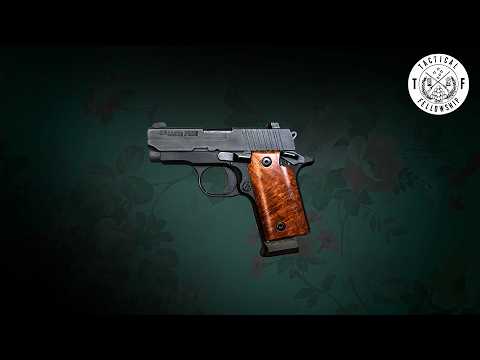
This review of the Sig P238 highlights its premium build and reliable function, but ultimately advises against purchasing it as a primary EDC or backup gun. The instructor argues its all-metal construction, while contributing to shootability, makes it too heavy for common concealed carry methods like pocket or ankle carry. He also points to its limited magazine capacity and basic iron sights as significant drawbacks for its premium price point.
Former CIA officer Jason Hanson discusses the necessity and practicality of carrying a backup firearm. He explains the historical 'New York Reload' concept with revolvers and contrasts it with modern semi-automatic firearms that hold significantly more rounds. Hanson advises against ankle carry due to discomfort and suggests appendix or pocket carry as more viable options for a secondary firearm.
This video demonstrates the technique for drawing a firearm from an ankle holster, highlighting its discretion, particularly when seated. The speaker, identified as 'Shatterthewicked', a practitioner with expertise in draw techniques and range practice, compares it to appendix carry, noting ankle carry's slower draw speed and need for more space but recommending it for maximum discretion, backup weapons, or extended periods of sitting. The guide covers the physical steps of drawing from this concealed position.
This video explores the pros and cons of ankle carry for concealed firearms. The speaker, based on personal experience, highlights improved concealment and comfort, especially during long drives or in social settings requiring close contact. However, it emphasizes significantly slower draw times and the need for more space compared to other carry methods, making it less ideal for immediate threats. The importance of quality holsters for retention and comfort is stressed throughout.
The Yankee Marshal identifies ankle carry as the worst method of concealed firearm carry due to its extreme difficulty in access during a physical altercation and the high risk of an assailant gaining control of the weapon. While acknowledging appendix and small of back carry have risks, he argues they are manageable with responsible choices, unlike ankle carry which presents inherent vulnerabilities.
This video promotes an EDC ankle medical kit available through Warrior Poet Supply Co. The video highlights the importance of having a readily accessible medical kit for emergencies, especially in a concealed location like the ankle.
John Lovell, a recognized tactical instructor, demonstrates his preferred method for carrying a tourniquet using the ultra-compact Snake Staff Tourniquet (ETQ) in an ankle kit. He emphasizes its reduced bulk compared to traditional CAT tourniquets, making it ideal for everyday carry. Lovell confirms the ETQ's durability and effectiveness in stopping severe bleeding, recommending it for concealable medical solutions.
This podcast episode covers a range of firearms-related topics, including concealed carry advice, firearm recommendations for specific situations, and discussions on firearm maintenance and shooting sports. The host, The Yankee Marshal, shares his opinions on various handguns and rifles, offers practical advice on carrying firearms, and touches upon the importance of firearm safety and responsible ownership. The conversation also delves into the current market for firearms like the SKS and discusses the pros and cons of different handgun designs.
This video from Shatterthewicked explores the challenges of ankle carry for a Sig Sauer P365. The speaker, an experienced EDC practitioner, details significant physical discomfort akin to wearing ankle weights after short periods. They also highlight issues with pants snagging during the draw and the inherent slowness of drawing from this position, evidenced by a 3.21-second first-shot time from a kneeling stance.
This video explores the practicality and convenience of carrying a firearm in an ankle holster. The content likely delves into the pros and cons of this specific concealed carry method, considering factors such as accessibility, comfort, retention, and suitability for different individuals and situations. It aims to inform viewers about whether ankle carry is a viable option for their personal protection needs.
This guide details nine concealed carry positions, ranging from traditional IWB and AIWB to less common methods like ankle and off-body carry. It emphasizes the critical importance of trigger guard coverage and consistent training for safe and effective firearm concealment. The video highlights specialized gear like the Phlster Enigma for enhanced concealment options.
Gun Laws by State
Read firearms regulations for all 50 states + D.C.
Find Gun Dealers
Search licensed FFL dealers near you.