This YouTube video focuses on a specific aspect of AR-15 platform firearms, highlighting that dual ejector bolts feature longer roll pins. The title suggests a technical discussion or comparison related to AR-15 bolt carrier groups, likely aimed at gunsmiths, builders, or those interested in the intricacies of AR-15 components. The information presented is practical for anyone working with or modifying AR-15 rifles.
This video from School of the American Rifle highlights the importance of a functioning ejector on an AR-15 bolt. It demonstrates how a seized ejector can cause a firearm to stop working. The instructor explains that dual ejector bolts offer a redundancy, as one ejector can fail and the other can still ensure proper ejection.
This live stream features discussions on AK vs. AR platforms, handgun choices for EDC, ammunition recommendations, and AR-15 build components. The host, with law enforcement experience, shares insights on firearm reliability, practical applications, and personal preferences, emphasizing training and responsible ownership. Topics also touch on political figures and current events within the firearms community.
This video debunks the myth that high chamber pressure alone causes excessive wear on firearms, particularly the new 30 Super Carry. The instructor explains that wear is primarily influenced by the firearm's recoil spring system and the timing of the slide's reciprocation. He uses slow-motion footage and comparisons to other calibers like 9mm, 40 S&W, and 5.7x28mm to illustrate how pressure is managed and why a properly sprung firearm can handle higher pressures without premature wear.
This video from School of the American Rifle showcases several problematic AR-15 components submitted by viewers. It highlights issues like bolt separation at the cam pin hole, case head separation in a 9mm barrel, a broken upper receiver due to improper tool use, a damaged barrel from attempting to remove a front sight base, a malfunctioning nickel boron bolt carrier group, and a barrel with a pin drilled into the bore. The instructor emphasizes the educational value of these failures for future classes and promises follow-up videos on diagnosis and repair techniques.
This InRangeTV Q&A episode covers a wide range of firearms topics, from historical submachine gun design and the practicality of suppressors to the future of the AR-15 platform and the effectiveness of budget optics. Experts discuss the nuances of firearm maintenance, the debate between iron sights and red dots, and the evolving role of Pistol Caliber Carbines (PCCs) in shooting sports. The discussion also touches on the engineering behind various firearm systems, including the AR-15's direct impingement system and the historical context of different firearm designs.
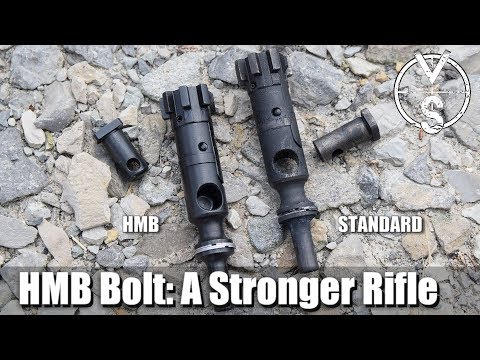
This video discusses the HTM Defense HMB Bolt, an aftermarket AR-15 bolt designed to enhance strength by not milling the cam pin hole all the way through. This modification aims to address common failure points in standard AR-15 bolts, particularly around the cam pin area, by increasing the material's circumference and thus its resistance to stress during operation. The presenter intends to test this bolt in a high-stress rifle over a year to evaluate its durability.
This entry details the unique 6-lug rotating bolt mechanism of the 1891 Fosbery Pump Shotgun, as explained by firearms historian Ian McCollum. It highlights the advanced design for its era, predating modern AR-15 bolt technology, and its historical context within firearm innovation. The shotgun's lack of commercial success due to prevailing preferences for break-action designs is also noted.
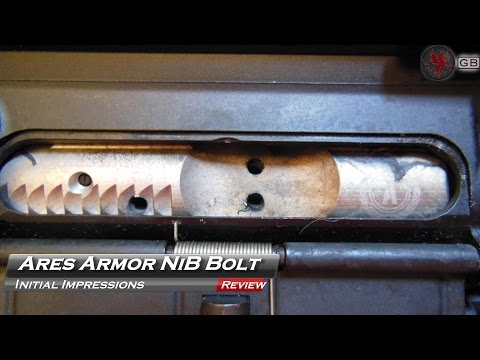
This video is an initial review of the Ares Armor NiB AR-15 Bolt. The creator expresses disappointment with the product's performance, noting it falls short of expectations for the company. They mention sending three emails to Ares Armor for resolution before publishing the video and are awaiting a response. The video creator encourages viewers to subscribe for updates on the situation.
This video from Brownells demonstrates the proper disassembly and cleaning of a firearm bolt using their specific ejector tool. The tutorial focuses on the procedural steps involved in maintaining the bolt mechanism, emphasizing the correct use of the ejector tool for efficient and safe maintenance.
You've reached the end! 11 videos loaded.
Gun Laws by State
Read firearms regulations for all 50 states + D.C.
Find Gun Dealers
Search licensed FFL dealers near you.