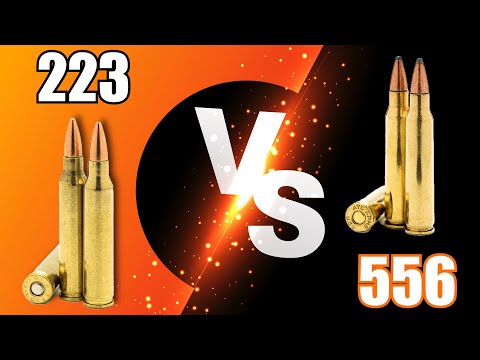
This video, featuring experts from SAAMI, clarifies the critical safety differences between 5.56 NATO and .223 Remington ammunition. It emphasizes that while .223 Remington is safe to fire in 5.56 NATO chambers, the reverse is not true due to potential dangerous pressure increases in tighter .223 Remington sporting chambers. Proper identification of ammunition and barrel markings is stressed for safe firearm operation.
This video debunks the myth that lubricating ammunition is beneficial. The host explains that oil on ammunition can lead to dangerous pressure spikes within the firearm due to altered case expansion against the chamber walls. This excess pressure can cause head thrust, damaging bolt lugs, flattening primers, and potentially causing the firearm to over-cycle. The video emphasizes that any feeding or extraction issues should be addressed by fixing the firearm itself, not by altering the ammunition. It advises against lubricating ammunition for any firearm, including for handloaders who should remove case sizing lube.
Repeatedly chambering rounds can cause bullet setback, pushing the bullet deeper into the case. This reduces internal volume, significantly increasing chamber pressure and risking firearm damage or catastrophic failure ('KA-BOOM'). Different firearm designs, like the 1911 with its steeper feed ramp, are more prone to causing setback than others, such as Glocks. Proper handloading techniques, including adequate neck tension and crimping, are crucial to prevent this dangerous phenomenon.
This video delves into the topic of chamber pressure, specifically in relation to the 30 Super Carry cartridge. It aims to explain how elevated chamber pressure can contribute to wear and tear on firearms. The discussion is a follow-up to previous content about the 30 Super Carry round, providing further technical insights for firearm enthusiasts interested in cartridge performance and firearm longevity.
This Gun Talk Radio segment explores the intriguing question of whether the 5.7x28mm cartridge can be safely and effectively used in a revolver. Host Tom delves into the critical aspect of chamber pressures associated with this unique ammunition and advises viewers on necessary protective equipment. The discussion also hints at potentially superior alternatives to using 5.7x28mm in a revolver. The video encourages listeners to tune into Gun Talk Radio for more expert discussions on firearms every Sunday.
This video showcases a rare Mosin-Nagant rifle specifically designed for factory pressure testing using the Copper Units of Pressure (CUP) method. It details the specialized apparatus, including a drilled chamber and a piston-anvil system for compressing copper slugs. The discussion highlights the difference between CUP and PSI measurements and examines the rifle's historical markings and condition, emphasizing its unique value.
This expert guide from Military Arms Channel details the critical issue of bullet setback in defensive handguns. It explains how repeated loading and unloading can push bullets back into the casing, increasing chamber pressure and potentially leading to catastrophic failures like a 'Glock Ka-Boom.' The guide provides a visual inspection method to identify setback rounds and recommends removing them from carry magazines for range practice, emphasizing proactive ammunition management for firearm safety.
You've reached the end! 7 videos loaded.
Gun Laws by State
Read firearms regulations for all 50 states + D.C.
Find Gun Dealers
Search licensed FFL dealers near you.