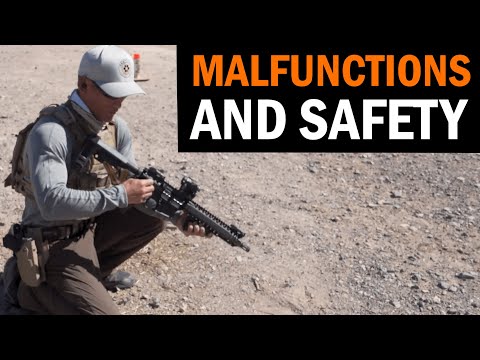
This video highlights a critical issue in AR-15 firearm maintenance and modification, specifically focusing on the dangers of improper pin and weld procedures. It emphasizes the importance of caution when selecting individuals to perform work on firearms, as mistakes in essential components like the gas block or barrel can lead to significant malfunctions and safety hazards. The content serves as a warning to gun owners about potential pitfalls in gunsmithing.
This YouTube Shorts video, titled 'Type 3 Malfunction!!!', focuses on a specific issue encountered with a firearm. While the description is minimal, the title clearly indicates a demonstration or discussion of a Type 3 malfunction. This type of malfunction typically involves a failure to extract or eject a spent casing, which can cause a rifle to become inoperable. The content is likely aimed at firearm enthusiasts, gunsmiths, or individuals interested in firearm maintenance and troubleshooting.
This video details significant reliability issues experienced with a CMMG Banshee in 9mm. The firearm repeatedly suffered from double feeds, failures to extract, and bolt overrides, even when using standard Glock OEM magazines and common 124-grain FMJ ammunition. The reviewer expresses extreme disappointment and advises potential buyers to avoid the product.
Yoki Sturrup, an experienced firearm reviewer, critically assesses a Radical Firearms AR-15 chambered in 7.62x39mm. The review highlights significant reliability issues, primarily stemming from magazine feeding problems and projectile setback caused by the bolt impacting the feed ramp. Sturrup strongly advises against this specific AR-15 configuration for the 7.62x39mm caliber, recommending the AK platform instead for this round.
This video appears to address a specific technical issue encountered during live fire exercises with a firearm: charging handle impingement. This refers to a problem where the charging handle malfunctions or obstructs normal operation when firing. The content likely delves into the causes, potential fixes, or troubleshooting steps for this particular firearm malfunction. It's aimed at individuals who own or operate firearms and are interested in firearm mechanics, maintenance, or problem-solving during shooting.
This guide synthesizes the extreme challenges of the 'Light Infantry' competition, emphasizing survival and performance under immense physical and mental duress. It covers critical firearm safety after water submersion, advanced navigation techniques, target engagement from unstable platforms, and essential tactical medical skills. Instruction draws from experienced tactical competitors, highlighting resilience and proficiency in simulated combat scenarios.
This YouTube video focuses on addressing a 'Type 3' firearm malfunction, a critical topic for firearm owners and enthusiasts. While the specific firearm model or family is not mentioned in the provided data, the title indicates an instructional or 'how-to' approach to clearing this type of operational issue. Such content is valuable for safe firearm handling, training, and improving shooting proficiency by ensuring readiness in various scenarios. The video likely provides a step-by-step guide or demonstration.
This video details the critical technique of transitioning from a rifle to a handgun during close-range engagements when the primary weapon becomes inoperable. It emphasizes situational awareness, safe weapon manipulation, and efficient deployment of the secondary firearm to neutralize threats before returning to rifle functionality. The instruction highlights the importance of practice for proficiency in this life-saving skill.
This video demonstrates the critical 'tap, rack, bang' technique for clearing common firearm malfunctions, emphasizing its importance for immediate re-engagement. The instructor, GHG Hussle, highlights that practicing this drill, ideally with dummy rounds, makes it second nature, crucial for self-defense scenarios. He stresses that any firearm can jam and consistent practice is key to overcoming this 'worst nightmare' situation and remaining 'legally dangerous.'
This video focuses on a critical malfunction in an AR-platform rifle, specifically an AR Castle Nut Failure. The content likely delves into the causes, implications, and potential troubleshooting or repair of this specific issue, which can lead to significant operational problems with the firearm. Given the title and description, it's a topic of interest for AR-15 owners and gunsmiths concerned with the mechanical integrity and reliability of their weapons.
This video demonstrates a critical firearm malfunction where a magazine appears to have 'blown up' during a drill, ejecting its components and causing a stoppage. The incident highlights the importance of immediate safety protocols, including wearing eye and ear protection, and the need for thorough inspection after a malfunction. The speaker suspects a potential primer issue or obstruction within the bolt carrier group as the cause, emphasizing that even during routine drills, unexpected failures can occur.
This video provides a critical safety lesson by analyzing common firearm "fails" from the internet. The host, demonstrating high authority and expertise, uses these incidents to teach fundamental firearm safety rules, emphasizing the importance of proper training, equipment checks, and safe handling practices to prevent accidents and promote responsible gun ownership.
Gun Laws by State
Read firearms regulations for all 50 states + D.C.
Find Gun Dealers
Search licensed FFL dealers near you.