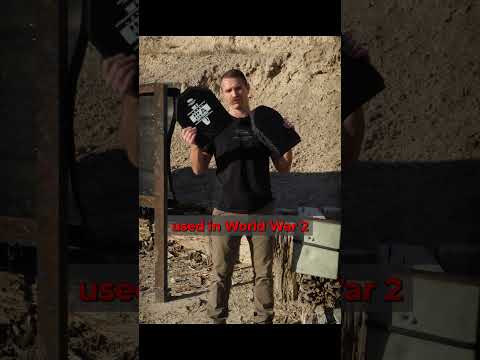
This YouTube Short compares the ballistic performance of vintage Ballistic Nylon, originally used in WWII flak jackets, against modern body armor materials. The description highlights that Ballistic Nylon, still found in items like luggage and tool belts, has been largely superseded by advanced materials like Kevlar in ballistic applications. The video aims to showcase the performance difference through testing and encourages viewers to visit predatorarmor.com for modern body armor solutions. The content also touches on military history and tactical gear.
This video tests the ballistic performance of Ballistic Nylon, a material historically used in flak jackets and still found in items like luggage and tool belts. While acknowledging its past significance, the description notes that more advanced materials like Kevlar have replaced it in modern ballistic protection. The video aims to compare Ballistic Nylon's performance against contemporary materials, encouraging viewers to check out the results. A link to Predator Armor for body armor is provided.
This video tackles the common misconception that steel body armor is excessively heavy. It aims to debunk this myth by comparing steel and ceramic armor options, highlighting that advancements in steel armor technology have made it thinner and lighter than many believe. The description emphasizes that there's a wide variety of armor on the market, and contrary to popular opinion, many ceramic options can actually be heavier than their steel counterparts. The video encourages viewers to check out www.predatorarmor.com for tactical gear.
This YouTube video features a ballistic test comparing the performance of a Level III+ armor plate against a .300 Winchester Magnum (Win Mag) round. The video, presented by Predator Armor, aims to determine if their specific Level III+ plate can withstand this powerful rifle caliber. Viewers are encouraged to visit the Predator Armor website for purchasing information.
This video compares AR500 steel and ceramic composite ballistic plates. Steel plates (NIJ Level 3) are durable and handle multiple hits but are heavy and pose a spalling risk. Ceramic plates (NIJ Level 4) are lighter and stop higher velocity rounds but are fragile and vulnerable to repeated impacts in the same area. The choice depends on threat profile and weight needs.
This video directly compares ceramic and steel body armor plates in a hands-on test. The creator acknowledges some testing limitations, such as not placing the plates in a carrier and an unintentional misstatement of the term 'spalling' (referring to it as 'sprawling'). Despite these minor issues, the video aims to provide practical insights for viewers considering different body armor options. Links to specific products tested, along with discount codes and the creator's social media and merchandise, are provided.
This YouTube video pits steel against ceramic body armor, aiming to separate fact from fiction regarding their performance. The content likely involves ballistic testing and analysis of different armor types. The video is presented by RTT: Guns & Gear, which focuses on firearm-related content and tactical gear, as indicated by their social media links and mention of specific brands like Werkz Holster and Gatorz Glasses. The content is presented for educational purposes.
This video provides an expert-level review and destructive testing of the ShotStop Duritium III+ PA body armor plate, led by John Lovell of Warrior Poet Society. It details the 'impossible trinity' of armor (protection, weight, cost) and demonstrates the plate's performance against various threats, including handgun rounds, shotgun slugs, rifle calibers, and M855 Green Tip, highlighting the importance of selecting armor based on specific threat profiles.
This video compares steel versus composite armor, discussing their pros and cons. Steel armor is presented as an affordable option with some drawbacks, while composite armor is highlighted as more expensive but lighter and more effective. The video emphasizes that it is recorded on a private range under professional supervision and includes disclaimers about not attempting the demonstrations at home, stating that all work should be performed by a trained professional. The content is strictly for educational and entertainment purposes, and viewers are warned about imitation at their own risk.
This video tests a CATI Level 3A Plus steel pistol-rated armor plate against 12-gauge 4-buckshot and supersonic 300 Blackout 147-grain FMJ ammunition. While the plate stopped both threats, it showed signs of cracking and bulging under the rifle round, indicating it is not designed for rifle protection. The test highlights the plate's superior performance compared to Level 3A soft armor, particularly in managing back face deformation.
You've reached the end! 10 videos loaded.
Gun Laws by State
Read firearms regulations for all 50 states + D.C.
Find Gun Dealers
Search licensed FFL dealers near you.