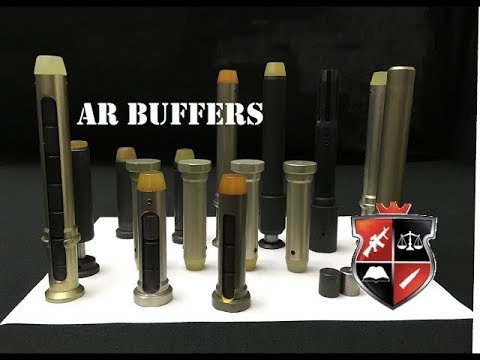
This video explains how buffer weights are used to tune commercial rifles, particularly when dealing with ammunition variables and overgassed systems. The instructor details how different buffer weights (H1, H2, H3) can mitigate issues like bolt carrier bounce and fast cycling caused by higher-pressure ammunition, by slowing down the action. He emphasizes that military rifles are designed with known variables, while commercial rifles must accommodate a wider range of ammunition, making buffer tuning a common adjustment.
This video provides an in-depth review of the Surefire Optimized Bolt Carrier Group, detailing its design intent to address M4 platform issues like bolt carrier bounce and high cyclic rates. It compares the Surefire BCG to the LMT Enhanced Bolt Carrier Group, discussing historical context and technical modifications such as altered cam tracks and buffer systems. The review highlights the benefits for full-auto fire, suppressed use, and over-gassed systems, while also noting potential concerns regarding bolt catch wear and cold-weather performance.
This guide, drawing on the expertise of a former Colt employee and AR-15 SME Hank Tatro, details the critical role of AR-15/M16 buffers. It explains how buffer design evolved to manage bolt carrier bounce caused by increased firing rates and different ammunition types. The guide emphasizes selecting the correct buffer for specific firearm configurations and warns against improper mixing and matching, particularly for duty applications. It covers standard rifle and carbine buffers, as well as H, H2, H3, and specialized 9mm buffers, providing insights into their construction and application.
You've reached the end! 3 videos loaded.
Gun Laws by State
Read firearms regulations for all 50 states + D.C.
Find Gun Dealers
Search licensed FFL dealers near you.