This video explains how buffer weights are used to tune commercial rifles, particularly when dealing with ammunition variables and overgassed systems. The instructor details how different buffer weights (H1, H2, H3) can mitigate issues like bolt carrier bounce and fast cycling caused by higher-pressure ammunition, by slowing down the action. He emphasizes that military rifles are designed with known variables, while commercial rifles must accommodate a wider range of ammunition, making buffer tuning a common adjustment.
This guide details a common fix for ejection issues in Gen 3 Glocks, particularly when using optics. The video's instructor, demonstrating high authority, explains how installing a Gen 5 ejector (part 47021) into a Gen 3 trigger housing can resolve 'brass to face' problems and stovepipe malfunctions, making the firearm more reliable for concealed carry.
This video compares an unsuppressed rifle setup with a suppressed setup featuring the Griffin Armament Optimus 6 low back pressure suppressor. The primary focus is on the impact of the suppressor on the rifle's ejection pattern and sound signature. The presenter notes a significant softening of recoil and a more manageable ejection pattern when suppressed, comparing it favorably to the unsuppressed state.
This video showcases a Glock pistol experiencing an unusual ejection pattern during firing. The title suggests a potential issue or an observation about the firearm's operation that is considered "crazy." The focus appears to be on the performance and reliability of the Glock, specifically its ejection system, which is a critical aspect of firearm function. It's likely a demonstration or range test highlighting this specific characteristic.
This guide details how to diagnose an AR-15's gas system by analyzing brass ejection patterns, a technique explained by Nikko Ortiz. Proper ejection indicates correct gas system tuning, while issues like weak or erratic ejection suggest potential undergassing or overgassing problems that need addressing. This method is crucial for ensuring reliable firearm function.
This guide details how to adjust the buffer weight in an AR-15 to improve shooting characteristics, especially when using suppressors or different ammunition. It covers the function of various buffer weights (Carbine, H1, H2, H3) and provides a step-by-step process for swapping them out, emphasizing the importance of achieving a consistent 3 o'clock ejection pattern and reliable bolt lock-back.
This guide details how to properly tune an adjustable gas block on an AR-15 or AR-10 platform. The process involves starting with the gas block fully open and incrementally closing it (to the left) while firing single shots. The optimal setting is achieved when the firearm reliably cycles, locks the bolt open, and ejects brass at the 3:00 position. This tuning process helps mitigate recoil and keeps the firearm cleaner by reducing excess gas.
This video provides an in-depth review and range test of the Aegis Weapons 12.5-inch mid-length AR-15 upper receiver. The review highlights the upper's exceptional heat mitigation capabilities, consistent ejection patterns (ideal 4:00), and smooth shooting characteristics, even during rapid fire and suppressed use. The presenter, Roger Barrera of QVO Tactical, emphasizes the quality components and meticulous attention to detail, such as the hand-trued gas key, which contribute to the platform's reliability and performance.
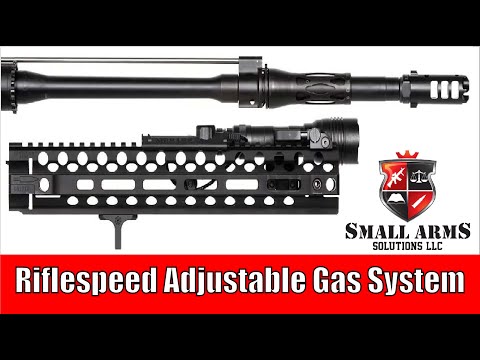
This video provides an in-depth look at the RifleSpeed fully adjustable gas system, highlighting its user-friendly, tool-less adjustment mechanism with 12 numbered settings. The presenter demonstrates how to tune the system for optimal performance both suppressed and unsuppressed, emphasizing the importance of specific settings for different ammunition types and environmental conditions. The review showcases its effectiveness in resolving severe over-gassing issues on various platforms, including a .308 rifle.
This video title suggests an exploration of an unusual ejection pattern observed with a Glock firearm. The focus appears to be on the mechanics and behavior of the pistol during firing, specifically how casings are expelled. It hints at a potentially unique or noteworthy characteristic of the Glock's operation that is being highlighted for its 'weird but cool' nature.
This guide, based on expert instruction from Classic Firearms, details how to select and tune the appropriate buffer weight for AR-15 platforms. It emphasizes using ejection patterns to diagnose gas system issues and recommends specific buffer weights for different barrel lengths and suppression configurations. Heavier buffers are shown to mitigate over-gassing and reduce felt recoil, particularly in shorter-barreled rifles.
This guide details how to tune a Q adjustable gas block, focusing on achieving optimal reliability and smooth shooting. The process involves adjusting the gas flow to ensure proper cycling with various ammunition types, particularly subsonic rounds. Key indicators for proper tuning include consistent bolt lock-back on an empty magazine and an ejection pattern around the 3-4 o'clock position.
Gun Laws by State
Read firearms regulations for all 50 states + D.C.
Find Gun Dealers
Search licensed FFL dealers near you.