This review of a 9mm AR-15 by Mark Serbu, a recognized gun designer, delves into its functionality, historical context, and potential issues. Serbu highlights the use of Glock magazines with a magwell adapter, discusses trigger pack design, and analyzes bolt velocity and its impact on trigger slap, especially in converted full-auto variants. He also details the effectiveness of heavy buffers and stronger springs in managing rate of fire and recoil, comparing it to Uzi and MP5 submachine guns.
This guide details the installation of the Dead Air CT5P suppressor, highlighting its low back pressure design and performance metrics. The video features Ben from Dead Air Silencers at SHOT Show 2026, providing expert insights into the suppressor's technical specifications and benefits for firearm longevity and shooter comfort.
This guide covers the installation and functional overview of the Strategic Sciences MFMD Suppressor, as presented by Jens from Strategic Sciences at SHOT Show 2026. The MFMD is a multi-function device combining suppressor, flash hider, and brake capabilities, featuring a 3D-printed Inconel 718 construction and a reflex design. It offers significant recoil and flash reduction and is designed to maintain hearing safety with minimal impact on bolt velocity.
This video provides an in-depth analysis of AR-15 buffer weights and their role in managing gas system dynamics, particularly in overgassed or improperly gassed firearms. The instructor, with extensive experience in military and manufacturer settings, explains how buffer weights affect bolt velocity, carrier bounce, and overall firearm reliability. He emphasizes that buffers are for mechanical tuning, not recoil management, and advises on selecting appropriate weights based on ammunition type and firearm configuration to ensure optimal function across various conditions.
This video from Forgotten Weapons, hosted by Ian McCollum, provides an in-depth analysis of what determines a firearm's rate of fire and how it can be manipulated through design. McCollum, a recognized expert in historical firearms, explains the fundamental principles of bolt cycle time, bolt mass, and bolt velocity, and how these apply to different operating systems like simple blowback and locked breech. He illustrates these concepts with examples of various historical firearms, including the M11A1 and Chauchat, and discusses design modifications for rate adjustment.
This guide, based on insights from Ian McCollum of Forgotten Weapons, explains the fundamental factors determining a machine gun's rate of fire. It details how bolt travel distance, bolt velocity, and bolt mass in blowback systems directly influence cycling speed. The information is presented for advanced users interested in firearm mechanics and modification principles.
This guide details the installation of the KIDD charging handle and spring kit for the Ruger 10/22 and similar platforms like the BRN-22. It covers selecting the appropriate spring weight (standard white, heavier red, lighter green) based on ammunition type and desired bolt velocity, and provides step-by-step instructions for fitting the non-captured assembly. The installation process involves compressing the spring and sliding the charging handle onto the bolt and receiver.
This video provides an in-depth look at CAC's K-Spec buffer systems, including standard carbine and A5 lengths. The instructor, a dealer for CAC products, explains the two-stage design of the K-Spec buffers and their potential benefits in managing bolt velocity, particularly for overgassed or suppressed firearms. However, he strongly cautions that these heavy buffers can also cause reliability issues in properly gassed systems and recommends starting with lighter configurations or considering adjustable gas blocks as a more versatile solution.
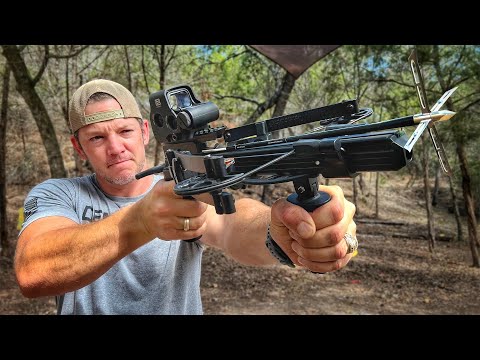
This video from DemolitionRanch features Matt Carriker testing the lethality of the world's smallest crossbow, the Ballista BAT Reverse. With high authority and deep knowledge of archery and ballistics, Carriker compares it to larger models and conducts rigorous testing using Clear Ballistics gel, including a simulated head with a skull, to assess its terminal performance.
This video debunks the myth of lubricating ammunition, explaining how it can cause excessive head thrust, increased bolt velocity, and false pressure signs. It highlights that such lubrication can lead to firearm malfunctions, accelerated wear, and issues with case expansion, particularly in semi-automatic and blowback-operated systems. The hosts emphasize addressing underlying firearm issues rather than using lubrication as a workaround.
This video explains the benefits of lightweight bolt carrier groups (BCGs) for AR-15 platforms, focusing on reducing recoil and overall firearm weight. It highlights common mistakes, such as pairing a lightweight BCG with a heavier buffer, and recommends using an adjustable gas block to properly tune the system for optimal bolt velocity and a softer recoil impulse.
This video from Brownells Gun Techs features Caleb and Steve addressing a common misconception among DIY AR-15 builders. They argue that simply because a self-built AR-15 functions, it doesn't mean it's assembled correctly. The video highlights potential errors like gas system misalignment, over-gassing, and using the wrong buffer weight, which can lead to malfunctions as fouling accumulates or when switching ammunition. The core message is that there's a significant difference between a rifle that merely operates and one that performs optimally, emphasizing the importance of proper assembly or seeking professional help.
Gun Laws by State
Read firearms regulations for all 50 states + D.C.
Find Gun Dealers
Search licensed FFL dealers near you.