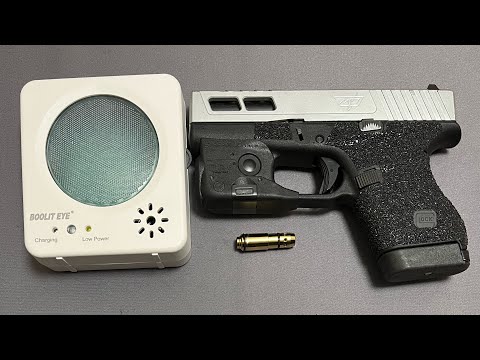
This guide breaks down the essential gear and associated costs for handgun training, emphasizing quality and smart spending. Speaker Brenton Sensenig, CMO of TA Targets, advises prioritizing a reliable firearm, holster, and training tools over excessive accessories. A basic setup can cost around $680, with a more complete package including optics and lights reaching $1,240. Ammunition and essential training aids like timers and protective gear add to the overall investment, with a comprehensive starter kit estimated at under $1,200.
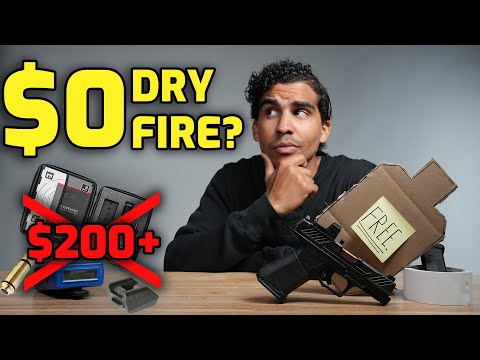
This guide outlines effective dry fire training techniques achievable on a $0 budget, emphasizing discipline and efficiency. It covers creating targets from household items, using a zip tie for trigger reset practice, improving grip stability with coins, and employing occlusion training for better focus. The importance of tracking progress with a training log and utilizing free resources like timer apps is also highlighted.
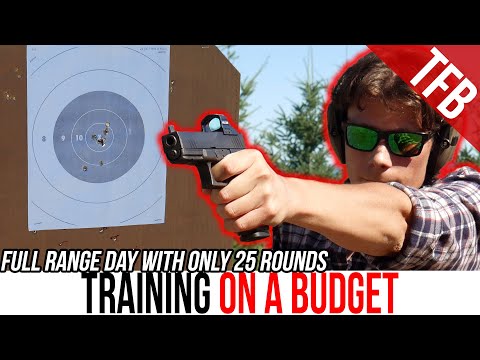
This video offers a strategy for effective firearm training on a budget, emphasizing a mixed live-fire and dry-fire approach. Instead of performing numerous live reps, the instructor advocates for single live-fire repetitions followed by extensive dry-fire practice on the range. This method allows for significant practice with limited ammunition, maximizing the value of each range trip.
This video outlines a conservative annual training regimen combining dry fire and live fire practice. It emphasizes a structured approach to accumulating a significant number of repetitions, even with a limited budget, by incorporating both 9mm and .22LR ammunition. The focus is on consistent skill maintenance and enhancement over time.
This guide outlines a budget-friendly 9mm training regimen using inexpensive ammunition and basic targets. It provides a series of drills focusing on accuracy, speed, and target transitions, designed to be completed with 50 rounds of 9mm ammunition for under $16.
This YouTube video focuses on highly cost-effective firearm training that can be conducted from home, with a budget of only $50. The content aims to provide valuable training resources without requiring expensive equipment or range access. It emphasizes accessible and affordable methods for improving shooting skills and firearms knowledge within a home environment.
This video explores the viability of using 9mm Pistol Caliber Carbines (PCCs) for affordable rifle training. The creator details a six-week training regimen with a 9mm AR-style carbine, comparing its performance and skill transfer to a .223 rifle. The core premise is to offer quality training without the high cost of .223/5.56 ammunition, posing the question if 9mm PCCs are the future of budget-conscious rifle practice. The description also includes social media handles and Patreon support links.
This video from Tactical Hyve offers practical strategies for individuals facing budget, instructor, or venue limitations in firearms training. It emphasizes hosting classes, leveraging shooting competitions for low-cost practice and learning, and the critical role of consistent dry-fire training at home. The instructors also highlight the benefits of training partners and online resources as accessible alternatives to traditional paid courses.
This guide details how to safely and effectively practice dry fire at home on a budget. It emphasizes proper firearm clearing, consistent grip acquisition, and a deliberate trigger press technique to avoid developing bad habits. The use of snap caps is also discussed for specific firearms and malfunction drills.
This guide focuses on maximizing range time with limited ammunition by prioritizing recoil management and marksmanship during live fire. It suggests practicing weapon manipulation like draws and reloads through dry fire at home. For live fire, the emphasis is on drills that test recoil control and accuracy, such as rapid five-round strings and longer-distance marksmanship exercises, to ensure efficient use of ammunition.
This guide provides expert-level training advice from Hop, a seasoned firearms instructor, on how to maximize range time and improve skills on a budget. It emphasizes efficient target use, data-driven practice with tools like shot timers, and pacing to conserve ammunition. Specific low-round-count drills are detailed for improving fundamental pistol skills, even for those with limited access to ammunition.
TheYankeeMarshal, a niche influencer with deep familiarity in the tactical training industry, argues that expensive, high-end tactical courses are often unnecessary for CCW. He suggests that mandatory CCW classes serve as a 'government rubber stamp' and that true proficiency is built through consistent, practical practice. His advice is to take the cheapest CCW class available and invest time and resources in local shooting groups, competitive matches, and legal education for genuine skill development.
Gun Laws by State
Read firearms regulations for all 50 states + D.C.
Find Gun Dealers
Search licensed FFL dealers near you.