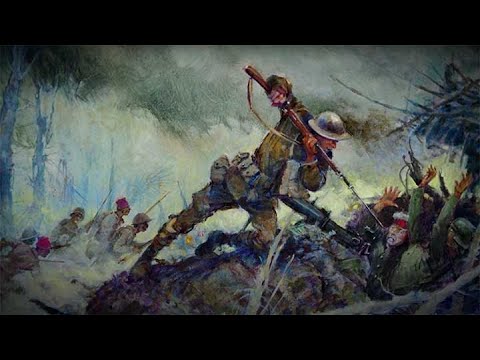
This guide explores the firearms and tactics employed by U.S. Marines at Belleau Wood during WWI, drawing insights from historical reporting. It highlights the effectiveness of the 1903 Springfield rifle for long-range accuracy, the role of various machine guns, and the stopping power of .45 caliber sidearms like the M1911 and M1917 Revolver. The narrative emphasizes individual heroism and the impact of well-trained soldiers on historical events.
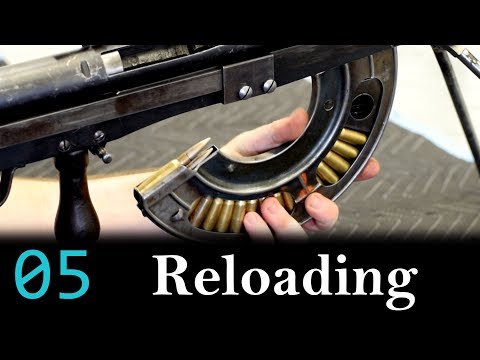
This video from Forgotten Weapons, featuring Ian McCollum, analyzes the reload speeds of various World War I era light machine guns. The analysis highlights significant differences in reload ergonomics and speed, comparing models like the Chauchat, Lewis, B.A.R., and MG 08/15. The data presented offers practical insights into the operational efficiency of these historical firearms under simulated rapid reload conditions.
This episode of Project Lightening tests WWI-era light machine guns for the 'walking fire' tactic. The Chauchat (both 8mm and .30-06) and the Madsen 1914 proved to be the most effective due to their portability and ergonomics. Heavier guns like the Hotchkiss, Lewis, and MG 08/15 struggled with weight and balance for this specific role. The B.A.R. was designed for the concept but proved difficult to control from the hip.
This video features an expert-level 100-yard accuracy test of various WWI-era light machine guns, including the Lewis, MG 08/15, Hotchkiss, B.A.R., Chauchat, and Madsen. The instruction highlights firearm handling techniques for burst fire control and assesses controllability and grouping under simulated combat conditions. The Lewis Gun emerges as the standout performer in accuracy.
You've reached the end! 4 videos loaded.
Gun Laws by State
Read firearms regulations for all 50 states + D.C.
Find Gun Dealers
Search licensed FFL dealers near you.