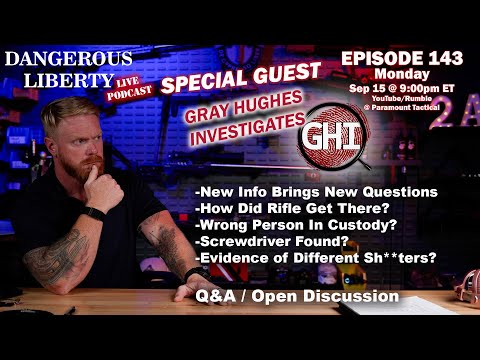
This video discusses the ballistics of a bullet fragment found in Charlie Kirk's body, which was allegedly fired from a converted Mouser K98 rifle in .30-06. The ATF analysis was inconclusive, leading the defense to argue for a second shooter. The instructor explains that bullet fragmentation upon impact, especially with bone or spinal cord, is normal and can affect ballistics analysis.
This video from Active Self Protection analyzes a controversial officer-involved shooting in Aurora, Colorado. Featuring insights from John Correia and Mike Willever, it breaks down the incident involving Rayjon Belt Stubblefield, focusing on the suspect's aggressive actions, the officer's use of force, and tactical considerations like the 'failure to stop' drill. The analysis highlights the importance of body-worn camera footage and crime scene evidence in understanding such critical events.
This episode of Dangerous Liberty Podcast reviews the UVU trip, focusing on the Charlie Kirk shooting incident. The host debunks claims of AI-generated surveillance footage, provides a detailed walkthrough of the UVU campus to analyze the shooting location, and discusses the challenges of creating a 3D model of the scene. The episode also touches on the importance of open discourse, the complexities of investigation, and the need for improved security protocols.
This video discusses the untraceability of an antique Mauser Gewehr 98 rifle, modified to chamber 30-06 Springfield, used in a fictional assassination scenario. The speaker explains how the extensive history, numerous modifications, and vast production numbers of such firearms make reverse tracing impossible, contrasting it with the straightforward traceability of modern firearms like Glocks. The content highlights the challenges law enforcement faces when dealing with historical firearms in criminal investigations.
This video features a detailed discussion and analysis of the attempted assassination of Charlie Kirk. Experts examine footage, ballistic evidence, and witness accounts to deconstruct the event, focusing on the shooter's movements, the firearm's trajectory, and the physical evidence. The analysis delves into the complexities of ballistics, firearm concealment, and the interpretation of visual and audio evidence to understand the sequence of events and potential inconsistencies in the official narrative.
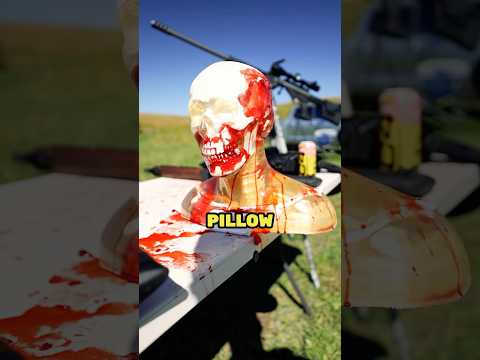
This video investigates whether a pillow can effectively prevent blood spatter. While the title is intriguing, it does not explicitly mention any firearms, calibers, manufacturers, or specific firearm-related activities. The content appears to be focused on a forensic or investigative topic rather than firearm performance or usage.
This video analyzes the Butler rally shooting, debunking a viral photo that suggested the shooter, Thomas Crooks, openly carried a rifle. It explains that the photo was a still from a video where Crooks was not carrying the rifle. The analysis also delves into the technical aspects of the shooting, including how a SWAT operator's shot may have disabled Crooks' DPMS AR-15 by damaging its buffer spring, preventing further rounds. The video also raises questions about the FBI's handling of the crime scene and evidence.
This video discusses findings from a trip to Butler, PA, and a congressional memo by Clay Higgins regarding the events of July 13th. It analyzes the terrain, shooter positions, and alleged evidence tampering by the FBI, including the early release of the crime scene and the cremation of the suspect's body. The discussion highlights the ninth shot fired by a SWAT operator and the potential impact on the shooter's rifle, as well as the tenth shot believed to be the fatal one. The speaker expresses skepticism about a second shooter, focusing instead on the FBI's actions and potential cover-up.
This video explains the process of firearm tracing, detailing how law enforcement tracks down the owner of a firearm used in a crime. It touches upon the Second Amendment and the importance of responsible firearm ownership for self-protection. The description also promotes the GUNBROS family business, highlighting their commitment to customer service and offering curated, battle-tested products.
This video provides an expert-level analysis of bodycam footage from a police response to a shooting incident involving a shooter near Donald Trump. The speaker, demonstrating high authority and expertise in firearms and tactical operations, breaks down the response times, evidence found on the roof including an AR-15 with a Holosun optic, and discusses ballistics and tactical considerations. The analysis highlights detailed knowledge of specific firearm models, optics, and law enforcement procedures.
This video delves into the forensic science behind linking firearms to criminal investigations. It explains the process law enforcement uses, focusing on ballistics, rifling marks, and the unique 'fingerprints' left on bullets. The content is aimed at shooting enthusiasts interested in the technical aspects of crime solving through firearm analysis.
This YouTube video, presented by NRA Life of Duty and sponsored by Brownells and Smith & Wesson, features the Spokane Forensics Unit. The description highlights the team's resilience as they confront death daily in their work within the Pacific Northwest. While the specific firearms used are not detailed, the affiliation with manufacturers and organizations suggests a focus relevant to firearm enthusiasts and those interested in law enforcement applications.
Gun Laws by State
Read firearms regulations for all 50 states + D.C.
Find Gun Dealers
Search licensed FFL dealers near you.