This guide provides expert-level troubleshooting steps for common issues encountered with 300 Blackout FRT (Firearm Research & Technology) setups, drawing on hands-on testing and component analysis. It covers buffer weight, spring selection, ammunition variability, suppressor interaction, and feed ramp polishing, offering practical solutions for achieving reliable function. The instruction emphasizes a methodical approach to diagnosing and correcting malfunctions in direct impingement AR-15 platforms chambered in .300 Blackout.
The SIG 516 Mohawk represents the third generation of the 516 line, building on its reputation for reliability and durability. Key upgrades include steel reinforcements in critical areas, similar to the MCX family, to enhance longevity, especially with high round counts. It also incorporates a non-reciprocating left-side charging handle, offering an additional operational option alongside the traditional T-charging handle.
This video investigates whether the new DPMS Kitty Kat is a faithful reproduction of the original, comparing external and internal features. The presenter examines barrel length, handguard style, and receiver types, referencing historical DPMS catalogs to determine the existence of an original A1 Kitty Cat model. Key differences in barrel length, handguard construction, and internal specifications like feed ramps and twist rates are highlighted.
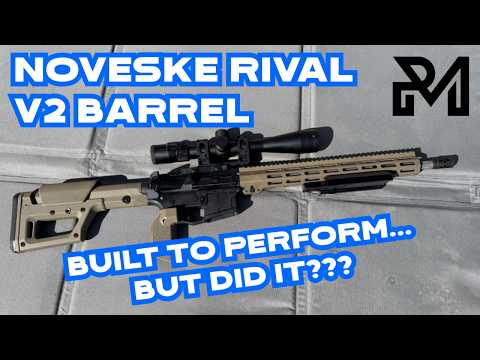
This video provides an in-depth review of the Noveske Rival V2 17-inch AR-15 barrel. The presenter, an experienced firearms enthusiast, meticulously examines the barrel's specifications, performs bench inspections including gauging and bore scope analysis, and conducts extensive range testing with multiple ammunition types. The review highlights both the strengths and weaknesses of the barrel, particularly concerning its chamber and barrel extension finishing, and its overall accuracy performance compared to other barrels.
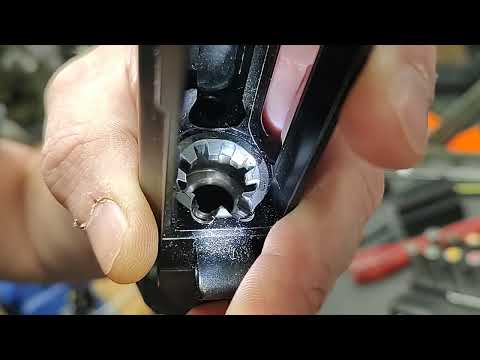
This video provides a critical lesson on inspecting firearm components, specifically focusing on a Ballistic Advantage barrel with improperly machined feed ramps. The instructor emphasizes the importance of checking parts, even from reputable brands, to ensure proper feeding and reliability. Failure to do so can lead to malfunctions, impacting both accuracy and consistency.
This video details a comprehensive inspection of Ruger AR556 upper receivers, focusing on critical alignment and assembly checks. It covers verifying front sight post and barrel extension alignment, assessing barrel nut torque, measuring gas port size, checking feed ramp compatibility, and diagnosing potential issues with bolt carriers and receiver tolerances affecting magazine compatibility. The expert guide provides step-by-step instructions for these checks, highlighting common problems and their potential impact on firearm function and accuracy.
This video demonstrates how to identify a 'clocked' barrel extension in an AR-15 upper receiver, a common issue arising from over-torqued barrel nuts. The instructor highlights visual cues like misaligned feed ramps and explains potential causes, including bent index pins or manufacturing defects. The guide also suggests a practical test using a handguard to confirm the misalignment.
This guide, based on expert instruction from School of the American Rifle, details the critical importance of proper feed ramp blending on AR-15 upper receivers. It highlights the severe consequences of improperly grinding aluminum feed ramps, such as removing protective anodizing and leading to premature wear and failure. The guide emphasizes careful diagnosis and vetting of gunsmiths to prevent costly damage to expensive components.
This video discusses policy restrictions on armorer certifications, preventing civilians and non-LEO/military personnel from training on specific firearm brands like Smith & Wesson. The speaker highlights common feed stoppage issues with Smith & Wesson M&P15 rifles, including magazine catch placement, headspace, buffer springs, and feed ramp design. The core issue discussed is the inability of law enforcement agencies to get their rifles serviced by qualified individuals outside of manufacturer-specific certifications, leading to potential equipment downtime.
This guide details the disassembly and inspection process for Palmetto State Armory (PSA) AR-15 upper receivers, as demonstrated by an expert armorer from School of the American Rifle. It covers critical checks for FSB alignment, headspace, barrel straightness, and barrel extension clocking, highlighting common assembly errors like over-torqued barrel nuts and misaligned components. The procedure emphasizes the use of specialized tools for accurate diagnostics and repair.
This tech tip from Brownells explains the unique feed ramp design on the BRN-180 platform chambered in .350 Legend. The video highlights how the BRN-180 utilizes a single, large feed ramp, deviating from the standard AR-15 dual feed ramp system. This modification is presented as a key feature that significantly enhances feeding reliability, particularly with heavier .350 Legend projectiles, making it a highly reliable semi-automatic option for this caliber.
This guide details the autopsy of a Black Rain Ordnance SPEC15 AR-15, highlighting common failure points and diagnostic steps. Expert armorer Chad Albrecht demonstrates advanced techniques using specialized gauges to identify issues with the gas system, BCG, magwell, and barrel. The analysis reveals significant problems including an oversized gas port and undersized magwell, leading to the rifle 'beating itself apart.'
Gun Laws by State
Read firearms regulations for all 50 states + D.C.
Find Gun Dealers
Search licensed FFL dealers near you.