This video critically examines Mexico's stringent gun laws following a mass shooting at a tourist site, arguing that such restrictions do not prevent violence and leave citizens defenseless. The speaker, Colion Noir, uses the incident to advocate for the Second Amendment, emphasizing that evil is unpredictable and the ability to self-defend is paramount. He highlights the lack of security and ineffective government response during the attack, contrasting it with the principles of the Second Amendment.
This video explains why the SIG Sauer P211 GTO is considered an illegal assault weapon in California. It details how California's definition of a 'threaded barrel' extends to lugged barrels, making the P211 GTO's compensator attachment method a violation. The speaker cites a DOJ agent's assessment and the denial of the P211 GTO from the California handgun roster as evidence.
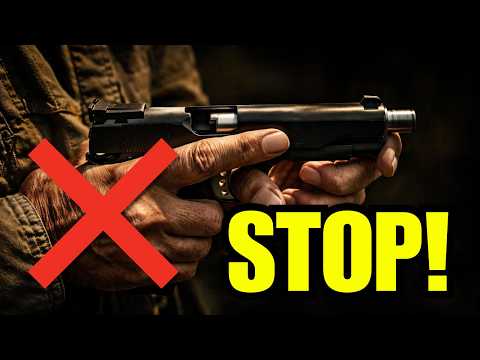
This video by Ted from Line 45 addresses common mistakes made by experienced firearm owners regarding safety, ammunition, zeroing, legal configurations, and practical shooting skills. It emphasizes that fundamental safety rules are paramount and should be automatic, not an afterthought. The content highlights the critical importance of understanding ballistics, legal definitions of firearms and accessories, and the distinction between static range performance and dynamic defensive shooting capabilities.
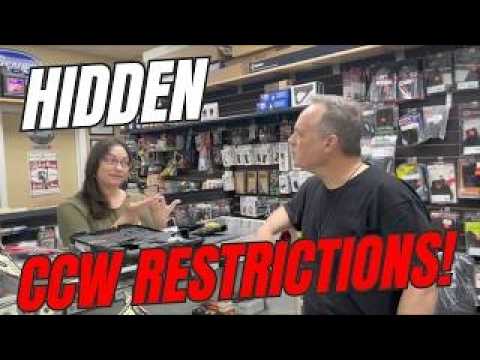
This video explains why firearms are often shipped with lower-capacity magazines, particularly for states with magazine restrictions like Washington. It also delves into the complexities of concealed carry reciprocity between states, highlighting how changes in one state's laws (like Missouri lowering the age to 19 for concealed carry permits) can affect recognition by other states.
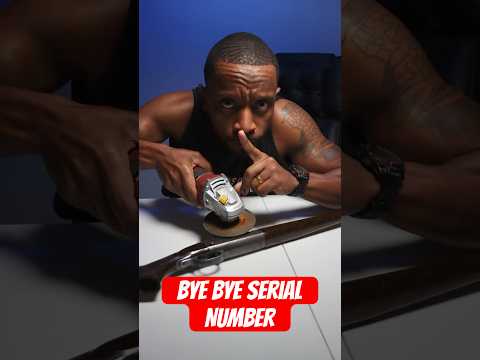
This episode of Armed Attorneys discusses legal aspects of self-defense and firearm ownership. Key topics include jury selection when acquainted with legal parties, the legal implications of using a modified Fitz revolver for self-defense, the nuances of using force when exiting one's home during a home invasion, the challenges of self-defense in gun-free zones, and the legality of concealing a firearm's serial number. The discussion emphasizes honesty in court, the potential for unusual firearms to become a focus in trials, and the importance of understanding state-specific laws.
This guide explains why the CZ P-01 is no longer available for FFL purchase in California, detailing how minor manufacturing changes trigger the state's strict handgun roster laws. It highlights that the firearm lost its grandfathered status and can now only be acquired via private party sales, often at a premium price. The information is presented with the authority of an experienced firearms instructor knowledgeable in legal implications.
This guide covers the process of acquiring NFA items like suppressors using SilencerShop's streamlined eForms system and discusses the setup and legal considerations for a 'truck gun.' It also touches on advanced drone applications for tactical use. Instruction is provided by experienced individuals knowledgeable in NFA regulations and firearm applications.
This video from Johnny Q provides an experienced perspective on the necessity of a Permit to Carry in Minnesota. The speaker, wearing tactical gear and demonstrating confidence with a handgun, critiques government requirements for carrying firearms, viewing them as infringements on rights. He emphasizes that while legally compliant, he believes such permits are unnecessary for law-abiding citizens.
This video details how recent legal changes, particularly concerning firearm braces, have made several previously 'risky' firearms now legal and desirable. It covers specific models like the Q Honey Badger, CZ Scorpion 3+ Micro, Sig MPX K, Stribog SP9A3, PSA JAKL, IWI Zion-15, and Ruger Mark IV Tactical, explaining their features and how the legal landscape shifted for them. The content emphasizes understanding federal and state laws to ensure legal firearm ownership.
This entry details how to legally own a firearm without a serial number, focusing on the Stevens Model 22-410 as an example. It explains that firearms manufactured before the Gun Control Act of 1968 are exempt from serial number requirements, provided they were not manufactured or imported after the act's enactment. The information is presented with an instructional tone, drawing on historical context and legal specifics.
This video covers several firearms-related topics, including the Indiana State Police adopting the Sig P320 as their new duty handgun, a bizarre incident involving a unicyclist brandishing a firearm, and discussions on gun control legislation in New Mexico. It also touches on the legal troubles of a former competitive shooter and the challenges faced by FFL dealers in states with strict regulations. The hosts analyze the implications of these events for gun owners and the firearms industry.
This video from Classic Firearms debunks five common myths surrounding firearm suppressors. Experts Kaya and Jason explain that suppressors are legal to own in 42 states for civilians via NFA channels, do not compromise Fourth Amendment rights, and their sound reduction varies significantly by firearm and ammunition type. They also clarify that suppressors do not decrease firearm power or accuracy and highlight the advancements in modern designs like 3D-printed flow-through suppressors.
Gun Laws by State
Read firearms regulations for all 50 states + D.C.
Find Gun Dealers
Search licensed FFL dealers near you.