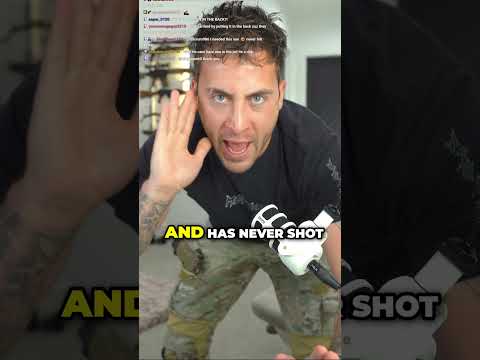
This analysis of a fight at Popeye's highlights the extreme dangers of knife combat. The video emphasizes that knives are not reliable defensive tools due to their limitations in stopping determined attackers and the potential for unnoticed injuries. It details defensive techniques against a knife, including limb control and disarmament, while strongly advocating for firearms as a superior self-defense option when legally permissible. The discussion also touches on the legal ramifications of using force and the importance of recognizing the totality of circumstances in a violent encounter.
This video analyzes a civilian's intervention in a street robbery by using their vehicle to run over the perpetrators. While applauding the 'heroic' act of stopping a crime, the hosts emphasize the significant legal, financial, and personal risks involved. They discuss the importance of situational awareness for potential victims and the complex legal landscape surrounding the use of force, particularly with a vehicle, in self-defense scenarios across different jurisdictions.
This video, from Achilles Heel Tactical, provides advanced instruction on a critical shooting technique: engaging targets effectively with less visual information. The expert instructor emphasizes that in high-stress, close-quarters situations, minimal sight picture is needed for accurate hits. The core principle is to develop fundamental skills and structure to shoot faster and gain an advantage by introducing the firearm proactively, rather than solely reacting to threats. This technique is crucial for law enforcement and self-defense scenarios where time is critical.
This expert analysis, drawing from Tim of Aegis Inc., debunks the 'inner Rambo' myth, emphasizing that effective action under extreme stress, like returning fire while wounded, requires rigorous, realistic training. It highlights the critical mandate for law enforcement to engage threats without retreat and critiques current training's lack of stress inoculation, which often fails to prepare officers for the physiological and psychological realities of combat.
This video analyzes a critical incident captured on bodycam, where a suspect in police custody gains access to a firearm. It highlights the extreme dangers of suspect transport, particularly when a detained individual slips restraints and accesses a weapon. The analysis emphasizes the importance of officer awareness and tactical decision-making in high-stress scenarios, referencing the officer's aspirations for SWAT.
This drill, demonstrated by EFC Combatives, focuses on the critical skill of resisting a concealed weapon presentation. It emphasizes understanding the force continuum, making tactical decisions based on the type of weapon presented (gun, knife, phone), and practicing control and disengagement techniques under pressure. The drill highlights the importance of observation and decision-making when faced with a sudden threat.
This video from Active Self Protection analyzes a robbery where pepper spray was used, focusing on pre-assault indicators and the legal implications of using deadly force against an OC spray attack. Instructor John Korea emphasizes situational awareness, recognizing loitering and target glancing as red flags, and advises against escalating to deadly force when faced with ordinary force like pepper spray, recommending disengagement as a primary response.
This entry details the tactical advantages of using Flex Cuffs, as recommended by a SWAT officer. It covers their portability, psychological impact on suspects, and rapid application in high-stress scenarios. The guide emphasizes immediate restraint as a key de-escalation and control technique.
This video from Active Self Protection, featuring hosts John Correia and Neil Widner, analyzes a bodega robbery to highlight key self-defense lessons. It emphasizes recognizing perpetrator deception, understanding the importance of personal space, and the critical need for physical training, including martial arts like Judo and Jiu-Jitsu, to react effectively to sudden attacks and falls. The discussion also touches on the force continuum and the utility of intermediate force options.
This video from Active Self Protection, featuring John Correia, analyzes a real-world incident where an assailant attempted to grab an officer's firearm. Correia, an established self-defense instructor, details critical weapon retention tactics, emphasizing the use of Level 2 or Level 3 retention holsters and specific counter-grab techniques. The analysis also touches upon the legal justification for using force, including neck restraints, when a firearm is threatened.
This video analyzes a security guard's effective empty-handed defense against an attacker wielding a broken bottle neck. John Correia, a martial arts expert, breaks down the guard's use of a front push kick to maintain distance and a subsequent punch to neutralize the threat. The analysis emphasizes situational awareness, understanding the legalities of force, and the importance of striking skills when firearms are not an option.
Gun Laws by State
Read firearms regulations for all 50 states + D.C.
Find Gun Dealers
Search licensed FFL dealers near you.