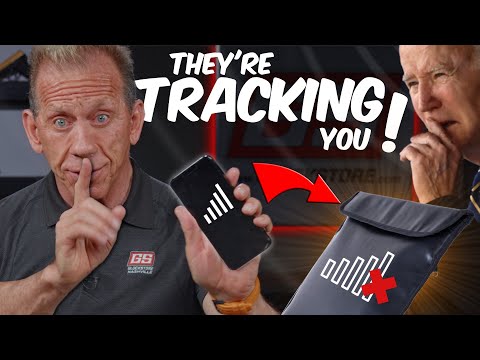
This guide outlines five key strategies to minimize government tracking when purchasing firearms and ammunition. It emphasizes avoiding digital footprints like ID scanning, facial recognition, and credit card transactions, while advocating for cash and paper background checks. The advice aims to help individuals maintain privacy in their firearm acquisitions.
This video outlines five key strategies to minimize government tracking when purchasing firearms and ammunition. It advises against scanning IDs, using facial recognition, opting for digital background checks, using credit cards for purchases, and making controversial online statements. The speaker emphasizes staying offline and using cash transactions at local, trusted gun shops as the most effective methods to maintain privacy.
This video discusses potential government methods for tracking firearms. It aims to inform viewers about surveillance capabilities and data collection concerning gun ownership and usage, raising awareness about privacy implications within the Second Amendment context.
This video addresses concerns about government tracking of firearms, specifically focusing on new gun registration laws and whether the government can trace ownership or identify specific firearm types. It explores the "real truth" behind these issues and encourages viewer support for the channel's mission. The title and description heavily imply a discussion of Second Amendment rights and potential government overreach related to gun control measures.
This video from GlockStore, featuring Lenny Magill, introduces an RFID blocking bag (SKU 8877) designed to prevent electronic tracking and data harvesting. Magill explains how government and private entities use location data and how this bag can mitigate such surveillance. The video also promotes the GlockStore Nashville facility.
This YouTube video discusses a proposed bill in the Maryland General Assembly that would mandate the inclusion of real-time government tracking devices on all firearms entering or leaving the state. The creator expresses concern about this potential infringement on Second Amendment rights and encourages viewers to support organizations advocating for gun rights. The description also promotes various sponsors and the channel's merchandise.
This video discusses concerns about the US government's awareness of AR-15 ownership following recent Supreme Court rulings on constitutional carry. It explores whether the government can track or identify AR-15 owners and suggests that the AR platform is a primary target for potential gun bans. The description also includes links for supporting various ministries, a holster company, a resilience coach, and a merchandise store, alongside mentions of other YouTube channels and social media platforms.
This video discusses the US government's potential knowledge of AR-15 ownership in the context of recent Supreme Court rulings and anti-gun legislation. It explores whether the government can track who owns these firearms and if they are aware of the extent of AR-15 ownership across the nation. The content touches upon the broader implications for the Second Amendment and gun rights in the United States.
The US government, specifically the Census Bureau and Department of Commerce, has reportedly sent letters to holster companies requesting product descriptions and sales patterns, particularly for concealed carry holsters. This action follows the New York Rifle and Pistol Club verdict. While some manufacturers have refused to comply, the Census Bureau has the legal authority to request such information, with the last known prosecution for refusal occurring in 1994.
You've reached the end! 9 videos loaded.
Gun Laws by State
Read firearms regulations for all 50 states + D.C.
Find Gun Dealers
Search licensed FFL dealers near you.