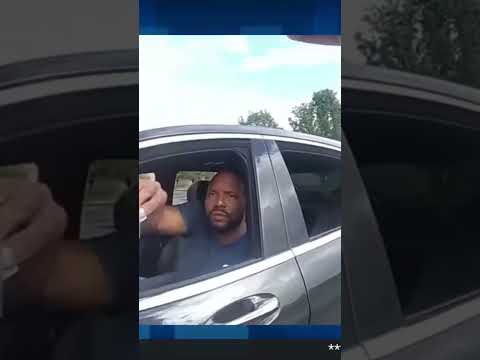
This video discusses legal challenges faced by Black gun owners in Chicago who were charged with felonies despite possessing valid Firearms Owner's Identification (FOID) cards and Concealed Carry Licenses (CCLs). It highlights instances where law enforcement allegedly failed to verify license status correctly, leading to wrongful arrests. The content emphasizes the importance of understanding Illinois's firearms licensing laws, renewal processes, and proper procedures for law enforcement during traffic stops involving armed individuals.
A Fifth Circuit Court of Appeals ruling establishes that carrying a firearm does not automatically constitute reasonable suspicion for a police stop. This decision clarifies that law enforcement must have specific, articulable facts beyond the mere presence or suspicion of a firearm to initiate an investigatory stop, reinforcing Fourth Amendment protections for gun owners.
This video analyzes a traffic stop incident where a concealed carrier was shot with his own firearm by a police officer. It highlights critical failures in law enforcement training regarding firearm handling during traffic stops and emphasizes the importance of proper holster retention and administrative firearm safety. The discussion underscores that negligent discharges often occur during administrative handling, not under extreme stress.
This video, featuring Instructor Mike, analyzes a critical incident where a traffic stop involving law enforcement officers escalates due to a driver identifying as an off-duty correctional officer. It highlights the importance of clear communication and adherence to protocol during such encounters, emphasizing potential risks when officers interact with other armed individuals. The analysis underscores the need for de-escalation and proper identification procedures.
This guide, presented by an expert from USCCA, outlines critical steps for individuals involved in a self-defense incident. It emphasizes following police instructions, asserting the right to remain silent, and requesting an attorney. The expert highlights that even if justified, a firearm will be confiscated as evidence and the legal aftermath can be lengthy. Preparation for these events is crucial for surviving both the incident and its legal consequences.
This guide details a speculative technique for handcuffing an individual with only one arm, as presented by Johnny Q. The method involves securing the single arm behind the subject's back and then attaching the handcuffs to both the arm and the subject's belt or jeans. While not based on direct experience, the speaker offers this as a practical approach given the circumstances.
This video discusses the legal processes surrounding firearm ownership in Illinois, specifically focusing on the FOID card application and the 'Clear and Present Danger' report. Firearms instructor Mike Brown explains how a parental affidavit allows a minor to apply for a FOID card and details the burden of proof required for a 'Clear and Present Danger' designation. The discussion highlights potential political influences on law enforcement decisions and the legal standards for firearm prohibition.
This discussion from Gun Talk Radio's after-show clarifies the distinction between a vehicle search and an inventory search during a traffic stop. A retired law enforcement officer explains that when a vehicle is impounded incident to an arrest, officers conduct an inventory for safekeeping, not a search for evidence. The conversation also touches on strategies for potentially avoiding vehicle impoundment and inventory if the vehicle is legally parked.
You've reached the end! 8 videos loaded.
Gun Laws by State
Read firearms regulations for all 50 states + D.C.
Find Gun Dealers
Search licensed FFL dealers near you.