This video documents a chaotic incident at a gas station involving a robbery attempt, a federal agent's intervention, and subsequent police involvement. It highlights the complexities of civilian and law enforcement response to armed confrontations, emphasizing threat assessment, de-escalation, and the legal parameters of using force. The narrative underscores the importance of situational awareness and proper procedure when encountering volatile situations, particularly those involving firearms.
This video discusses the legal ramifications of firing a warning shot in self-defense, highlighting the Marissa Alexander case in Florida. It emphasizes that legally, any round fired when in danger must be intended to stop the threat, not just scare it. The content underscores the critical importance of understanding firearms laws and when shooting is legally permissible.
This video from Active Self Protection analyzes a self-defense incident in Argentina, featuring insights from John Correia. It covers tactical positioning, counter-ambush strategies, and the legalities of using force, particularly ground grappling techniques. The analysis highlights the importance of situational awareness and the potential for effective self-defense even when facing a seemingly armed assailant.
This video offers 10 crucial pieces of advice for new concealed carriers, emphasizing holster safety, the importance of medical preparedness, and the effectiveness of pepper spray. It highlights that training and legal knowledge are paramount, surpassing expensive gear, and advocates for consistent practice and the integration of martial arts. The speaker stresses the value of finding a supportive community of like-minded individuals to foster continuous improvement in self-defense skills.
This analysis breaks down a critical incident involving a motorcyclist who escalated a traffic stop into a violent confrontation. Hosts John Correia and Mike Willever, recognized self-defense instructors, meticulously dissect the event, emphasizing the legal justification for the officer's use of deadly force after the suspect seized and threatened the officer with their TASER. The segment highlights crucial officer safety tactics and the importance of advanced training.
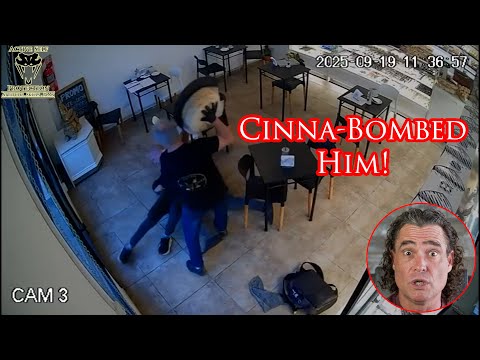
This video from Active Self Protection, featuring John Correia, analyzes a self-defense incident where a store worker and customer successfully defended against an armed robber. The analysis covers the use of POM pepper spray, a chokehold technique, and crucial legal distinctions regarding protective versus punitive force. Correia's high authority level and detailed breakdown of the event provide valuable insights into real-world self-defense scenarios.
This video discusses the legality of using booby traps for home defense. The speaker clarifies that while there's a presumption of reasonable fear when someone breaks into your home, setting up preset deadly traps like an M18 Claymore on a Roomba or a shotgun trap at the door is generally illegal. The use of deadly force must be in response to an imminent threat of death or great bodily harm, and preset traps can violate this principle, especially if you are not present.
This video discusses a tragic road rage incident where a 16-year-old was killed after pointing a realistic-looking BB gun at another driver. The incident highlights the dangers of using imitation firearms in confrontational situations, emphasizing that even fake weapons can be perceived as real, leading to deadly force being employed. It underscores the legal principle of using deadly force only when facing an imminent threat of death or great bodily injury, judged by a reasonable person standard.
This video explores the critical ethical considerations surrounding the use of lethal force for gun owners. It prompts viewers to deeply consider the circumstances under which they would be willing to use a firearm against another person, questioning who and for what reasons such actions might be justified. The description emphasizes the importance of this introspection for anyone considering carrying a gun, particularly in relation to lethal force.
The video strongly advocates against using deadly force to protect property, emphasizing that human life is irreplaceable. While acknowledging that some states permit force for property protection, it highlights strict legal conditions, often requiring a perceived physical threat. The speaker advises prioritizing de-escalation and calling law enforcement, but also asserts the right to verbally confront a perpetrator and defend oneself if the situation escalates to a physical threat.
This video explores the use of alternative weapons in self-defense, distinguishing between academic reasons and real-life applications. While firearms are deemed the most effective, alternative options like pepper spray, tasers, and saps offer a spectrum of responses, particularly for less lethal encounters or when firearms are not feasible. However, carrying alternative weapons introduces legal complexities and requires specific training, including the critical skill of transitioning to a firearm if the alternative fails.
This video features William Kirk, President of Washington Gun Law, explaining the legal parameters for using lethal force in Washington State. He outlines the four specific circumstances under which lethal force is permitted by law. The video encourages viewers to educate themselves on these crucial legal aspects of self-defense and firearms rights. Contact information for Washington Gun Law is provided for further questions and resources.
Gun Laws by State
Read firearms regulations for all 50 states + D.C.
Find Gun Dealers
Search licensed FFL dealers near you.