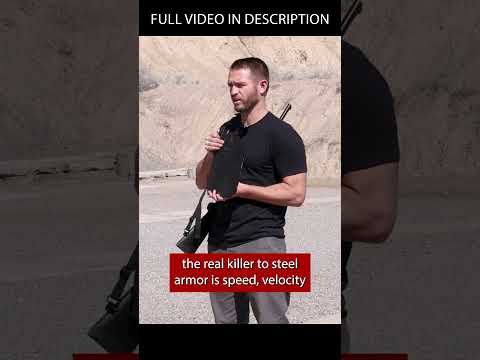
This video provides a beginner's guide to selecting body armor plates, breaking down the core considerations of cost, weight, and protection. It details different plate materials (steel, ceramic, polymer) and NIJ protection levels (III, IV, III+, Special Threat), explaining their respective strengths and weaknesses. The instructor demonstrates live-fire testing of Level III polymer plates against various calibers, highlighting the importance of backface deformation and the limitations against specific ammunition types like M855 green tips.
This video provides an in-depth look at the manufacturing and testing processes for composite body armor, specifically focusing on Hesco plates. It details the multi-step production from raw materials to finished product, including the use of polyethylene and ceramic components. The video also extensively covers NIJ certification standards, ballistic testing methodologies, and the importance of rigorous quality control to ensure reliable protection.
This YouTube Shorts video explores the use of clay boxes in testing body armor, specifically highlighting Predator Armor's lightweight, rifle-rated Level III plates. The description details the plates' construction from UHMWPE material, their low weight (3.5 lbs) and thickness (0.8"), and their multicurve design for comfort. The video emphasizes that the plates meet and exceed NIJ Level III standards, capable of stopping 7.62x51 (M80 Ball) and higher velocity 5.56mm rounds (M193). It also notes that the product is 100% made in the USA.
This video breaks down the National Institute of Justice (NIJ) body armor standards into five levels based on ballistic performance. It explains that as performance increases, so does the level. The instructor notes that Level IIA and Level II are handgun-rated but less common due to advancements in materials, with most consumers and companies opting for Level IIIA and above.
This video discusses a proposed federal ban on certain types of body armor, specifically that which exceeds Level III standards and can stop rifle rounds. The speaker, a constitutional attorney, argues this ban is unconstitutional, citing Supreme Court precedent like DC v. Heller and NYSRPA v. Bruen, which define 'arms' broadly to include defensive items. The analysis highlights that body armor is considered an 'arm' based on historical dictionary definitions consulted by the Founding Fathers and that the 'for-shai' principle suggests if lethal weapons are protected, non-lethal defensive items should be too.
This video from Classic Firearms features a ballistic test of various body armor plates against common military calibers. Instructors Ka and Jason test Level III, Level IV, and Level IV+ GardDog ballistic plates against 7.62x39mm, 5.45x39mm (including steel core), 5.56x45mm (55gr, 62gr M855 green tip, 77gr OTM), and .308 Winchester rounds. They assess penetration and back face deformation, highlighting the capabilities and limitations of each armor level.
This YouTube video from Predator Armor tests the ballistic resistance of their Level III body armor against the powerful .45-70 caliber round. The description highlights the growing popularity of the .45-70 and addresses frequent customer inquiries about its penetration capabilities. The video aims to definitively answer whether their Level III plates can stop this rifle cartridge, with the "spoiler alert" indicating a positive outcome for Predator Armor's product.
This video from Predator Armor tests their Level III body armor against the powerful .45-70 cartridge, often referred to as the 'T-Rex gun' due to its significant stopping power. The description confirms that the armor successfully stops the .45-70 rounds, addressing common customer inquiries about its capabilities against high-power rifle rounds. The content focuses on demonstrating the effectiveness of their body armor against this specific caliber.
This YouTube video aims to educate viewers on how Level III body armor is rated, focusing on the NIJ Standards. It explains the importance of understanding these standards for consumers to make informed purchasing decisions. The video covers various NIJ levels, including Level IIA, II, IIIA, III, and IV, and also discusses the common Level III+ designation. Predator Armor's product line is also promoted.
This guide outlines how to assemble a capable civilian tactical loadout for under $1000, as demonstrated by Elliott Delp. It covers essential components including a plate carrier (AR500 Testudo Gen 2), armor plates (LA Police Gear Level III), a battle belt (Kore Essentials), and holsters (Dara). The focus is on practical, reliable gear suitable for civilian use, emphasizing budget-conscious choices without compromising essential protective and functional capabilities.
This video explains the construction and function of ceramic body armor. Ceramic armor, typically rated Level IV, utilizes a hard ceramic strike face backed by materials like polyethylene or UHMWPE. The ceramic's hardness is key to breaking up and slowing down incoming rounds, allowing the backer to absorb the remaining energy and prevent penetration.
This video debunks common misconceptions about NIJ body armor certification, explaining that while NIJ sets standards, certification doesn't guarantee ongoing quality. The speaker emphasizes that NIJ does not certify ballistic helmets and highlights the limitations of the certification process, including the potential for manufacturers to deviate from original standards and the issues with fit tests. The video suggests that extensive independent YouTube testing may offer a more reliable indicator of armor quality and consistency over time than NIJ certification alone.
Gun Laws by State
Read firearms regulations for all 50 states + D.C.
Find Gun Dealers
Search licensed FFL dealers near you.