This video features an expert discussion on three specific gripes with the AR-15 platform. The speaker, demonstrating deep knowledge of firearm mechanics and design, critiques the platform's caliber, manufacturing complexity relative to reliability, and the necessity of its buffer assembly. Despite these points, the AR-15 is ultimately lauded as a 'near perfect platform'.
This guide details a demonstration of the Nambu Type 94's critical design flaw: an exposed transfer bar/sear that allows for accidental hammer release. Expert instruction emphasizes safety precautions, including the use of dummy rounds and the avoidance of dry firing antique firearms. The demonstration highlights how pressure on this exposed mechanism bypasses the trigger safety, a known issue that persisted despite manufacturer awareness.
The Yankee Marshal debunks the myth that older firearms are inherently better made than modern ones. He explains that historical manufacturing relied on hand-fitting due to imprecise tolerances, making parts non-interchangeable and requiring gunsmiths. Modern CNC machining allows for precise, interchangeable parts, leading to higher quality, reliability, and affordability. He concludes that modern manufacturing techniques have surpassed older methods in terms of precision and consistency.
This AT3 Tactical video provides an expert-level breakdown of AR-15 barrel materials, explaining the SAE steel designation system and the properties of common alloys like 4140, 4150 CMV, and 416R Stainless Steel. It details why material choice impacts barrel performance, longevity, and heat resistance, offering valuable insights for AR-15 builders and enthusiasts.
This video from GUNBROS discusses the lack of a universal standard for Flat Dark Earth (FDE) firearm finishes. Expert Jarod explains that FDE is a broad color spectrum, varying significantly between manufacturers and even batches due to processes like anodizing for metal and polymer injection molding for plastic. The video highlights the subjective nature of color perception and the challenges in achieving consistent FDE across different firearm components.
This video provides an expert-level breakdown of the Ruger Mini-14, detailing its design origins as a scaled-down M14 and its unique manufacturing techniques. Ian McCollum highlights the rifle's gas system, bolt mechanics, and the extensive use of investment casting for efficiency, offering insights valuable for gunsmiths and firearm enthusiasts interested in the technical aspects of its construction.
This video addresses claims made about manufacturing changes in firearms, specifically focusing on the transition from stamped parts to Metal Injection Molding (MIM). The speaker clarifies that a quoted $30 cost saving per pistol was an expression, not a literal figure, and that the issue involves a variety of parts, not just a single component like the striker safety lever. The core concern highlighted is a potential reduction in quality and the alleged outsourcing of manufacturing to India for MIM processes, rather than a simple cost-saving measure.
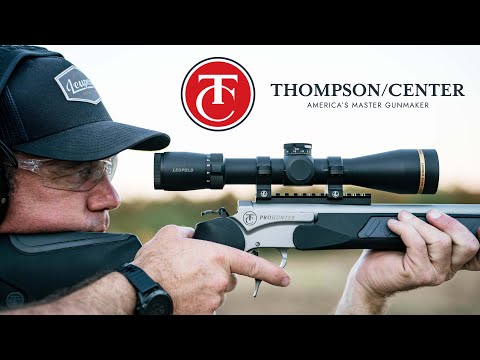
This video details the significant challenges and complexities involved in rebuilding the Thompson/Center Arms brand and manufacturing operations after its acquisition. It highlights the extensive efforts required in re-establishing supply chains, re-tooling manufacturing processes, ensuring quality control, and navigating regulatory landscapes. The speaker emphasizes the critical role of experienced personnel and vendor relationships in overcoming these hurdles to relaunch iconic firearm platforms.
This video provides insights into Toolcraft's role as an OEM supplier in the firearm industry. It discusses how partnerships with companies like Palmetto State Armory help ensure business stability, especially during market fluctuations. The segment also highlights Toolcraft's growth, noting a doubling in size since its acquisition.
This expert analysis from Magic Prepper delves into the nuances of AR-15 lower receivers, explaining that not all are created equal despite common misconceptions. The video highlights the critical differences between billet and forged receivers, emphasizing that post-forge machining and quality control are the primary drivers of price and reliability, not just the initial forging process. It advises viewers to consider the probability of a receiver being in-spec, suggesting that higher-cost options often offer greater assurance of quality and fewer potential issues, making them a strategic investment for AR-15 builds.
This episode of the Longrange Pursuit podcast delves into the complexities of product innovation within the firearms industry, using Gunwerks' Nexus rifle as a case study. Speakers Aaron Davidson and Josh discuss the challenges of developing new products, the importance of addressing issues early in the design process, and the company's commitment to originality, integrity, and customer focus. They highlight lessons learned from the Nexus development, including the impact of optimism and the necessity of rigorous testing and documentation.
This review details the Ruger-acquired Marlin 1895 SBL, highlighting significant upgrades in manufacturing and aesthetics. The expert assessment covers advanced machining techniques, improved fit and finish, enhanced durability, and impressive range performance, including specific accuracy data and velocity readings. Future model releases and pricing are also discussed.
Gun Laws by State
Read firearms regulations for all 50 states + D.C.
Find Gun Dealers
Search licensed FFL dealers near you.