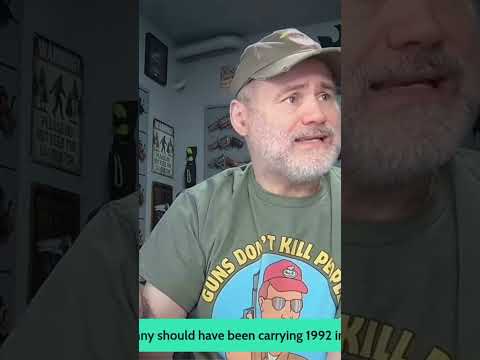
This video critically examines the FBI's ballistic testing standards, highlighting areas for improvement. The presenter, Boondock, suggests that while the FBI sets a high bar, certain aspects like clothing simulation and steel barrier material consistency could be more realistic. The discussion also touches upon the nuances of over/under penetration, fragmentation versus expansion, and the importance of testing rounds based on their intended application and range, drawing parallels with military testing methodologies.
This video emphasizes the critical importance of understanding projectile behavior within a home defense context. It explains how standard interior walls offer minimal resistance to bullets, leading to over-penetration risks. The instructor strongly advocates for hollow-point ammunition due to its design for expansion and energy dump, significantly reducing the chance of striking unintended targets. Plus P ammunition is cautioned against for home defense if multiple people are present, due to its potential for increased penetration.
This guide details a comprehensive ballistic gel test procedure for self-defense ammunition, specifically the Underwood 9mm +P+ 115 Grain Xtreme Penetrator. It covers the setup, execution, and analysis of the test, including firearm selection (Canik Mete MC9 and Glock 17), velocity measurements, penetration depth in gel with clothing barriers, and examination of the recovered projectile. The expert instruction emphasizes understanding ammunition performance characteristics for defensive applications.
This guide details weapon and ammunition choices for home defense, emphasizing a suppressed .300 Blackout Honey Badger rifle and Lehigh Defense supersonic ammunition. The selection prioritizes controlled expansion to maximize effectiveness while minimizing the risk of over-penetration, a critical consideration for civilian environments. Instruction comes from an experienced firearms instructor with deep knowledge of terminal ballistics.
This video, presented by an expert with deep knowledge of firearms ballistics and safety standards, explores the significant power of the .357 Magnum cartridge. It details its historical development, superior velocity and penetration capabilities compared to .38 Special, and crucial considerations like extreme muzzle blast, flash, and the risk of over-penetration. The guide emphasizes responsible ammunition selection, practice, and understanding the trade-offs of this potent handgun round.
This guide synthesizes expert advice on selecting shotguns and ammunition for home defense. It covers the effectiveness of different shotgun types, emphasizes proper ammunition choices like #4 buckshot to mitigate over-penetration, and highlights the importance of training for operating firearms under stress. The information is presented with an informative, professional tone, drawing on the speaker's expertise as a former officer.
TheYankeeMarshal, an experienced firearms instructor, advises against using birdshot or buckshot for home defense in a townhouse. He emphasizes that self-defense ammunition should be chosen for its ability to stop a threat, not just injure it. Birdshot is deemed ineffective for stopping power, while buckshot poses significant over-penetration risks in confined spaces like townhouses. The instructor recommends focusing on handgun calibers like 9mm or .45 ACP for this scenario.
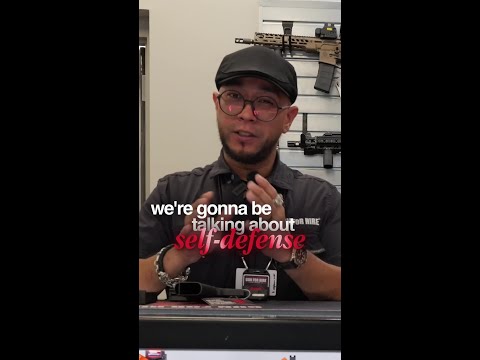
This guide, presented by professionals from Gun For Hire Range, covers crucial aspects of selecting and handling firearms for home defense. It emphasizes choosing the right platform based on living space, prioritizing reliability, and understanding the risks of over-penetration. The instruction highlights proper firearm handling and the importance of accessories for effective self-defense.
Colion Noir, an established firearms expert, advocates for the Pistol Caliber Carbine (PCC) as an excellent home defense option, particularly for new or recoil-sensitive shooters. He highlights its manageable recoil, reduced concussion, and superior ergonomics compared to handguns or traditional rifles. The PCC's less intimidating nature encourages practice, leading to greater proficiency. Noir also touches on ballistic advantages, noting 9mm's reduced over-penetration risk in apartment settings, and the ease of mounting essential accessories like red dot sights and weapon lights.
Skipper Day, demonstrating high authority and expertise, critically analyzes New Jersey's firearm laws, specifically the ban on hollow-point ammunition. He argues that hollow points are essential for self-defense to prevent over-penetration and criticizes lawmakers for their apparent lack of firearm knowledge, which leads to illogical legislation.
This video from Kentucky Ballistics demonstrates a practical drywall penetration test for common 12-gauge shotgun home defense loads. Instructor Scott uses a Mossberg 500/590 shotgun to test #8 Birdshot, 00 Buckshot, and a 1oz Slug against a drywall setup backed by water jugs. The results clearly illustrate the varying over-penetration risks associated with each load type in a residential environment.
This video argues that while shotguns are powerful, they often 'suck' for home defense due to common misconceptions and practical limitations. The instructor highlights issues like the loud concussive blast, limited capacity, and the dangerous 'no aim needed' mentality, which can lead to unintended consequences like over-penetration or missed shots in a high-stress situation. He advocates for firearms with more precise projectile control and emphasizes the importance of proper training and accountability for every round fired.
Gun Laws by State
Read firearms regulations for all 50 states + D.C.
Find Gun Dealers
Search licensed FFL dealers near you.