This video explains the origin of the leaning-back shooting stance, which is necessary for flintlock rifles due to the large spark and smoke produced near the shooter's face. It also highlights the craftsmanship of a specific Lancaster rifle made by fifth-generation gunsmith Wally Hart.
This video provides an expert-level analysis of the lethality of military flintlock firearms, featuring demonstrations by Administrative Results and Austin from Vintage Warfare. The content delves into the ballistics and historical context of weapons like the Brown Bess, Baker Rifle, and Ferguson Rifle, comparing their effectiveness to modern firearms. The presenter's high authority and specialized knowledge in historical firearm demonstrations are evident throughout.
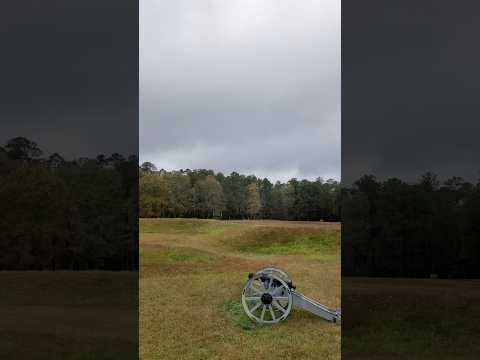
This video appears to combine historical exploration with seasonal observations. It features a visit to the Star Fort at Ninety Six, a significant Revolutionary War battlefield, suggesting a focus on American history and potentially historical firearms relevant to that era. The mention of the 'First Snow of Winter 2025-26' indicates a time-lapse or observational segment of the changing season at the historical site. The content is likely a blend of history, travel, and nature, with a historical reenactment or discussion of period weaponry possible.
This video showcases scenes from the 2025 Battle of Camden, South Carolina, which is described as the largest Revolutionary War reenactment in the South. The content likely focuses on historical military displays, period weaponry, and the spectacle of a large-scale historical reenactment.
This video appears to be focused on historical events, specifically the Mexican Revolution and Native American history. Based solely on the title and description, there is no indication of any firearms being discussed or demonstrated. The title's use of hashtags like #revolution and #mexican, along with #nativeamerican, strongly suggests a historical or cultural theme rather than a firearms-related one.
This video explores a sealed pattern Hessian musket from the Royal Armouries collection, highlighting its connection to the American Revolutionary War. Firearms expert Jonathan Ferguson explains the purpose of sealed patterns, which were used by the British to standardize arms they didn't manufacture themselves, often for allies or to augment their own supply during conflicts. The musket's presence is linked to the Hessian mercenaries hired by the British during the Revolutionary War, though the exact reason for this specific sealed pattern remains partially unknown.
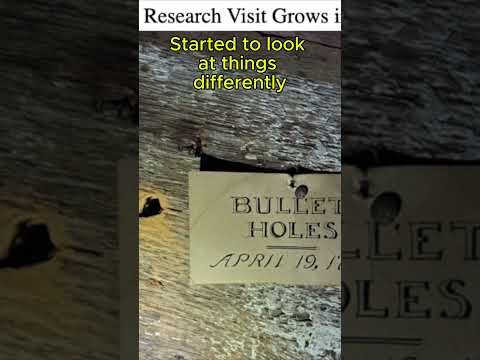
This YouTube video, titled 'ASAC Presentation: Bullet Strikes From the First Day of the American Revolution,' delves into historical ballistics and impact evidence from a pivotal event in American history. The description hashtags suggest a focus on the early days of the American Revolution, specifically April 19th, and the physical manifestations of gunfire, like bullet holes. The content appears to be an informational presentation, likely with a historical and possibly a ballistic analysis perspective, drawing on a presentation format.
This video argues that the Second Amendment was not written to preserve the right to hunt, but rather to ensure the government remains accountable and to prevent tyranny. The speaker emphasizes that the right to hunt is not explicitly mentioned in the Constitution, and the amendment's historical context points to national defense and citizen liberty as its primary purposes. The common argument that one doesn't need 30 rounds to hunt deer is dismissed as irrelevant to the amendment's true intent.
This video showcases a custom-built 1775 Long Rifle, created by Cape Gun Works to commemorate the 250th anniversary of the "Shot Heard 'Round the World" at Lexington and Concord. The rifle features detailed engravings of historical figures, symbols of liberty, and significant dates. It will be auctioned to support the Civil Rights Coalition's efforts against unconstitutional gun laws, drawing a parallel to the fight for liberty that began 250 years ago. The video highlights the craftsmanship and the charitable cause, encouraging viewer engagement.
This video showcases a rare Evans Flintlock, a firearm with historical significance dating back to the 1700s. Approximately only 1500 of these were produced. The description highlights its issuance to the Pennsylvania Militia during the Revolutionary War and the War of 1812, and notes the presence of interesting initials carved into the firearm. It also promotes the creator's Patreon, podcast 'Flak & Fubar', and Instagram account.
This video showcases a personal military museum focused on Revolutionary War firearms. The description outlines the museum's operating hours, admission fee, and provides a link to purchase merchandise. It also clarifies a potential misunderstanding about making reservations, specifying it refers to travel arrangements, not museum entry.
This video demonstrates the firing of a Flintlock Musket, estimated to be .75 caliber, by a reenactor in Continental Army attire. The demonstration highlights the visual effects of black powder ignition and projectile impact, emphasizing historical firearm handling. The content is presented with a humorous and action-oriented tone, showcasing expertise in historical reenactment and firearms.
Gun Laws by State
Read firearms regulations for all 50 states + D.C.
Find Gun Dealers
Search licensed FFL dealers near you.