This video provides an in-depth analysis of AR-15 buffer weights and their role in managing gas system dynamics, particularly in overgassed or improperly gassed firearms. The instructor, with extensive experience in military and manufacturer settings, explains how buffer weights affect bolt velocity, carrier bounce, and overall firearm reliability. He emphasizes that buffers are for mechanical tuning, not recoil management, and advises on selecting appropriate weights based on ammunition type and firearm configuration to ensure optimal function across various conditions.
This video provides expert guidance on selecting the correct gas block and gas tube for AR-15 builds. It details how gas system length impacts rifle performance, recoil, and reliability, emphasizing the importance of matching components to barrel diameter and desired shooting characteristics. The instructor highlights the benefits of adjustable gas blocks for fine-tuning performance and mitigating common issues like overgassing.
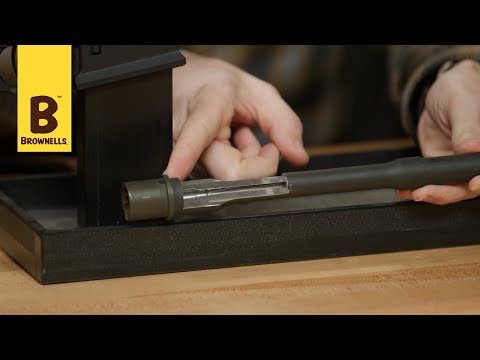
This guide details the comprehensive inspection and testing process for an AR-15 barrel, as demonstrated by Preston Moore. It covers essential bench inspections using specialized gauges and micrometers, followed by detailed borescope analysis of the bore and chamber. The guide emphasizes a rigorous 30-shot group testing methodology to evaluate accuracy under simulated match conditions, utilizing proprietary metrics like the A-ZED score for objective benchmarking. This approach provides high-confidence data for discerning barrel performance.
This video reviews a Colt 605 Dissipator-style AR-15, a reproduction by Anderson Manufacturing. It highlights the rifle-length gas system, fixed stock, and the aesthetic appeal of triangular handguards and carry handles. The presenter demonstrates the rifle's functionality, noting its pleasant shooting characteristics and reliability even when unlubricated.
This expert-level guide from Brownells explains AR-15 dwell time, a critical concept for builders and troubleshooters. Dwell time is defined as the duration gases from a fired cartridge act on the firearm's operating system, specifically the bolt carrier group. Understanding its relationship with gas system length and gas port proximity is key to diagnosing and preventing malfunctions.
This video explains the technical differences between carbine, mid-length, and rifle gas systems on AR-15 platforms, focusing on their impact on firearm operation, reliability, and maintenance. The speaker, drawing on extensive experience, argues that carbine systems, despite being 'dirtier' and harder on parts due to higher pressure, offer superior longevity and reliability in high-round-count scenarios before requiring cleaning, compared to mid-length systems. The discussion also touches on how suppressor use affects gas system dynamics.
You've reached the end! 6 videos loaded.
Gun Laws by State
Read firearms regulations for all 50 states + D.C.
Find Gun Dealers
Search licensed FFL dealers near you.