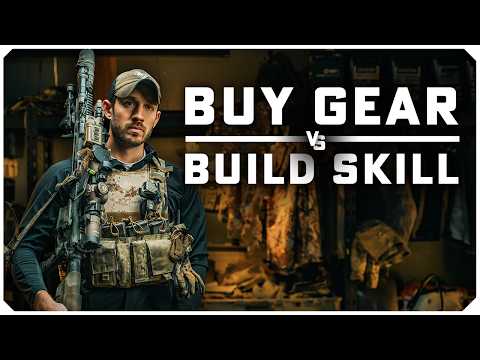
This video emphasizes that true capability is a balance between acquired skills and purchased equipment, not solely dependent on gear. It introduces the concept of a 'training tax,' the hidden cost in time and effort to master new tools. The speaker, drawing on extensive experience, advises prioritizing skill development to reduce this tax and maximize the effectiveness of any firearm or tactical equipment.
Joel Park, with extensive experience training law enforcement agencies, critically analyzes common inefficiencies in departmental firearms training. He highlights how short sessions, poor range pacing, and the stigma of mistakes hinder genuine skill development, often reducing training to administrative checks rather than performance enhancement. Park suggests that true skill building often necessitates individual practice beyond institutional constraints.
This guide details how to train your brain to shoot faster, based on neuroscientific principles explained by Chris Sajnog. The core concept is that practicing actions with precision, even slowly, builds myelin around neural pathways. This myelination insulates the pathways, allowing for faster neural impulses and, consequently, increased speed in executing the practiced action. The key takeaway is that deliberate, slow, and precise practice is the most effective method for developing faster shooting skills.
This guide, based on insights from an experienced firearms instructor, argues against the use of stock firearms for new shooters. It details how modifications like improved triggers, compensators, and optics can accelerate skill development by providing clearer feedback on shooter errors. The content emphasizes prioritizing performance and reliability in practical applications over common misconceptions about firearm modification.
This video by Chris Sajnog emphasizes that motivation is not a passive force but something to be built through action. He advises viewers to focus on their 'why,' put in consistent effort, maintain a realistic attitude about the difficulty of learning, and repeat their practice daily to build momentum and overcome the fear of the unknown.
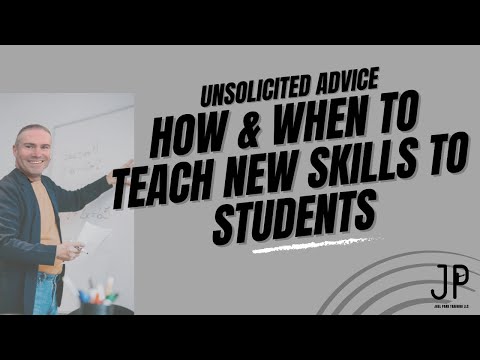
This video by Joel Park addresses how firearms instructors should approach teaching new skills to students with varying experience levels. Park emphasizes teaching principles over specific techniques, focusing on exposing students to their habits and demonstrating effective methods. He advocates for a curriculum that covers a broad range of skills in a single class, rather than focusing on one skill in isolation, to foster well-rounded shooters. The core philosophy is to equip students with the knowledge and practice methods, like dry fire, to develop lasting habits and continuous improvement.
This video by Chadd Wright of the '3 of 7 Project' offers a no-nonsense guide to achieving financial stability. Drawing from his experience as a former Navy SEAL and professional instructor, Wright emphasizes that financial success is attainable through hard work, skill development, and sacrifice, rather than excuses. He details his personal journey from financial hardship to building a successful business, encouraging viewers to invest in themselves and their future.
Ben Stoeger discusses how instructors can inadvertently limit a shooter's progress by teaching techniques that create performance ceilings. While initial dips in performance are expected when learning new skills, a truly detrimental instructor or method can prevent further improvement. This can manifest as ingrained habits that hinder speed or accuracy under pressure, requiring significant retraining.
Ben Stoeger discusses his early mindset and training philosophy that enabled rapid progression in competitive shooting. He emphasizes self-belief, the importance of not emulating less experienced shooters, and setting high performance bars from the outset. Stoeger highlights that geographical isolation and limited access to mentors necessitated a strong internal drive and a unique approach to skill development.
This episode of Redacted Culture Cast delves into common pitfalls within gun culture, particularly the unproductive debate between competition shooting and 'real-life' effectiveness. The speaker argues that focusing on skill development through competition, rather than arguing its validity, is crucial. The discussion extends to the broader issue of demoralization and the tendency to substitute material possessions for genuine progress, emphasizing the moral imperative behind firearm ownership and proficiency as a duty to protect oneself and one's community.
This guide outlines a progressive approach to firearms training, emphasizing mastering skills 'slick' before integrating restrictive gear like plate carriers and helmets. The Barrel & Hatchet Instructor highlights the importance of gradually adding equipment to ensure proficiency is maintained and to test gear functionality under realistic conditions. This method ensures foundational skills are solid before introducing the complexities of operating with a full kit.
This video focuses on the importance of sleep for learning and skill acquisition, drawing parallels to Navy SEAL training. It offers three practical tips to improve sleep quality and a regular sleep schedule. The content also touches upon the negative effects of EMFs and suggests various products and tools to enhance sleep, including red light therapy, blue light-blocking glasses, and sleep meditation apps. The presenter aims to help viewers achieve better sleep, which in turn aids in training and overall performance.
Gun Laws by State
Read firearms regulations for all 50 states + D.C.
Find Gun Dealers
Search licensed FFL dealers near you.