This video directly addresses the durability of AR650 steel body armor by performing a stress test involving a truck running over it. The description emphasizes that AR650 steel is not fragile and highlights Predator Armor's Level III+ body armor as a superior product. It details the manufacturing process in the U.S., including a unique heat-treating method, and points out the plates' lightweight, impact-resistant properties and superior ballistic performance, allowing for thinner designs without compromising protection. The video aims to dispel myths about steel armor's fragility and promote Predator Armor's offerings.
This video focuses on Level III+ body armor from Predator Armor, highlighting its construction with AR650 steel and the option for a Kevlar-lined spall and fragmentation protective layer. The description details the unique heat-treating process for enhanced hardness and superior ballistic properties, allowing for thinner, lighter plates. It also mentions a base coat for aesthetics and durability, and strongly advises the Kevlar lining for anti-spall and fragmentation mitigation, especially if the carrier lacks these features. The video provides a direct link to purchase the armor.
This video details Predator Armor's Level III ballistic plates, emphasizing their NIJ standard compliance and construction. Key features include a durable powder coating for rust prevention and increased longevity, available in both flat and multi-curve profiles for enhanced comfort. The plates also incorporate Kevlar wrapping, which is highlighted for its effectiveness in stopping spall and frag, contributing to a safer and more comfortable user experience.
This YouTube video features a review and test of the RTS Tactical AR600 Level III steel body armor, specifically examining its spall protection and failure point. The description also includes links to purchase the armor, various apparel brands (1776 United, Nine Line Apparel) with discount codes, and the creator's social media channels and other platforms like Warrior Poet Society Network. The video appears to be educational and entertainment-focused, with a disclaimer about viewer risk and responsible firearm handling.
This video provides an in-depth review and ballistic testing of MIRA Tactical's Level IV body armor plates. The instructor demonstrates the plates' ability to stop various rifle rounds, including .223/5.56, .308, and 6.5 Creedmoor, highlighting their lightweight design, thin profile, and multi-hit capabilities. The testing emphasizes the armor's effectiveness in preventing penetration and managing backface deformation.
This video reviews RTS Tactical's AR600 Level III+ steel armor plates, highlighting their high-value proposition and performance against high-velocity threats. The instructor demonstrates their effectiveness against various calibers and velocities, emphasizing their thinness, comfort, and affordability compared to Level IV options. The plates are shown to stop rounds exceeding Level III ratings, making them a recommended option for budget-conscious individuals seeking reliable ballistic protection.
This video details a personal plate carrier setup focused on modularity, comfort, and preparedness. The presenter emphasizes the Agilite Tactical K5 plate carrier for its comfort and adjustability, paired with RTS Tactical mag pouches for secure magazine retention. The setup includes Level IV polymer composite plates for high threat protection and discusses the importance of spall protection. Additional elements like a helmet pack, Gerber knife, and modified mechanics gloves are included for utility.
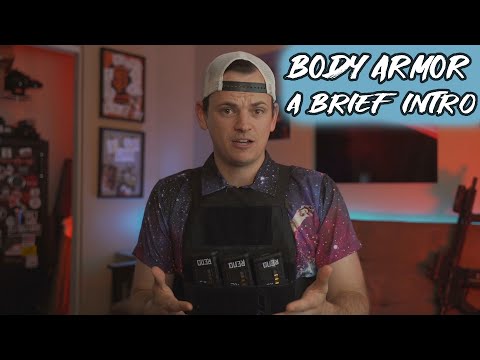
This video provides a comprehensive overview of body armor basics, focusing on helping viewers make informed decisions for their personal needs. It covers legal aspects, the importance of covering vital zones, understanding NIJ certifications versus testing, and differentiating between threat levels like Level IIIa, III+, and IV. The guide also delves into material types (steel, ceramic, poly-hybrid), plate shapes, curvature, weight considerations, and pricing, offering brand recommendations and warnings against unreliable options.
This guide, informed by Mrgunsngear, covers essential aspects of selecting and using body armor. It details NIJ protection levels, material types (polyethylene, ceramic, steel), and carrier options. Proper fitment, including plate placement and the balance between mobility and protection, is emphasized. The guide also highlights manufacturing quality concerns and the importance of understanding ballistic material science before potential legislative restrictions.
This video provides an in-depth look at The Target Man and Spartan Armor Systems, focusing on their ballistic armor plates and shooting targets. The discussion covers the manufacturing process, material properties of AR500/AR550 steel and UHMWPE, and the unique features of their triple-curve plates. It includes demonstrations of ballistic testing and comparisons between different armor types, offering insights into protection levels, weight, and cost-effectiveness.
This video details the unboxing and initial setup of AR500 Level III armor plates within a Condor Sentry plate carrier. The reviewer, new to plate carriers, shares insights on plate fit, comfort, and the decision to use a curved front plate and a flat back plate. Initial impressions focus on the weight and the need for adjustments for optimal fit and support.
You've reached the end! 11 videos loaded.
Gun Laws by State
Read firearms regulations for all 50 states + D.C.
Find Gun Dealers
Search licensed FFL dealers near you.